The Future of African Safaris: Why Kenya's New Conservation Investment Is Good News for Serengeti and Maasai Mara Travellers
East Africa's extraordinary wildlife landscapes are receiving renewed attention as Kenya unveils a US$160 million conservation initiative. For travellers dreaming of the Great Migration, Big Five safaris and unforgettable wilderness experiences, the investment highlights the importance of protecting the natural environments that make African safaris so special. Imagine watching thousands of wildebeest crossing the Mara River, following a pride of lions across golden plains or observing a herd of elephants moving peacefully through the African wilderness. These are the moments that make an East African safari unforgettable.
East Africa's extraordinary wildlife landscapes are receiving renewed attention as Kenya unveils a US$160 million conservation initiative. For travellers dreaming of the Great Migration, Big Five safaris and unforgettable wilderness experiences, the investment highlights the importance of protecting the natural environments that make African safaris so special.
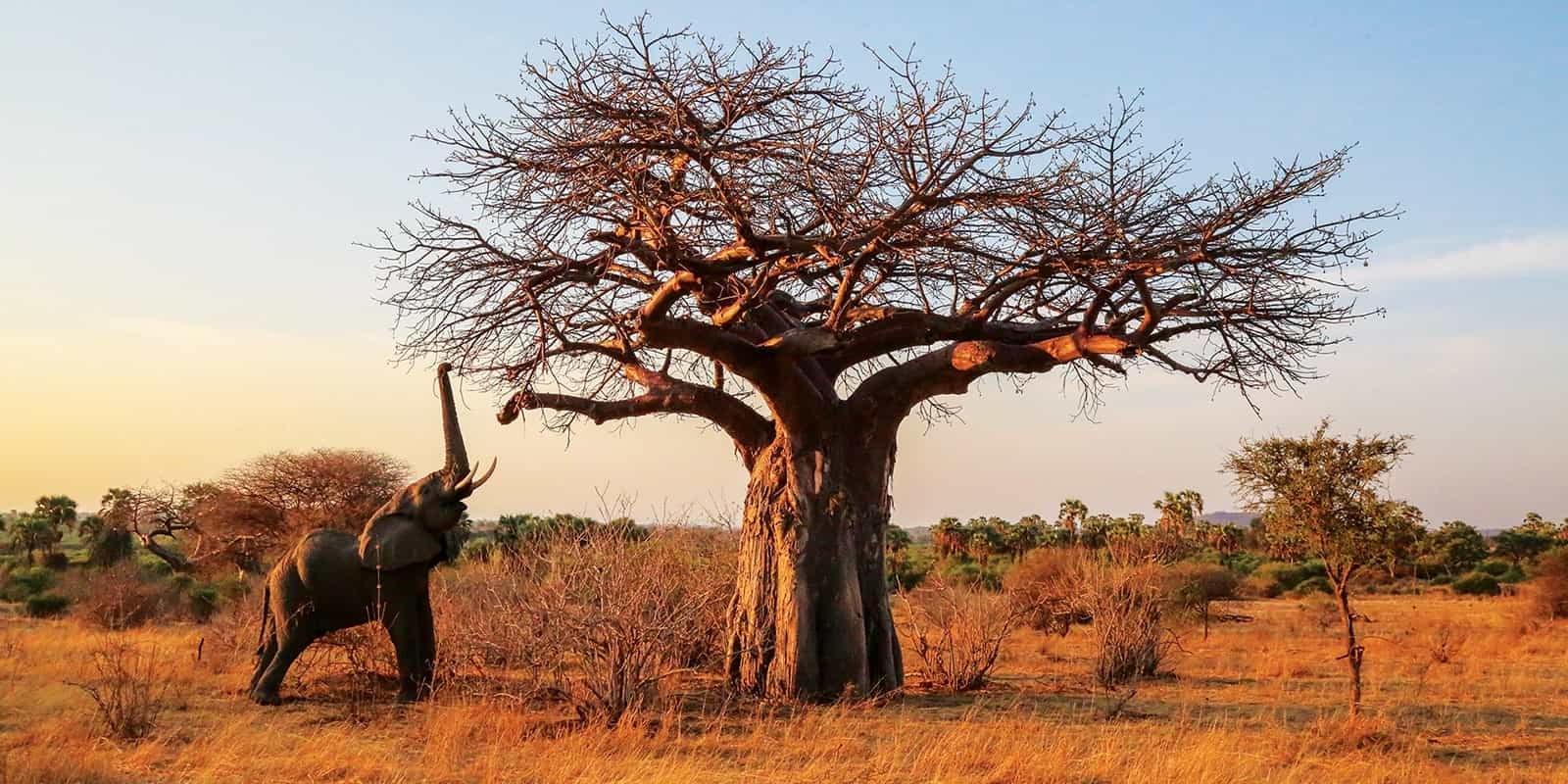
Imagine watching thousands of wildebeest crossing the Mara River, following a pride of lions across golden plains or observing a herd of elephants moving peacefully through the African wilderness.
These are the moments that make an East African safari unforgettable.
Across Tanzania's Serengeti and Kenya's Maasai Mara, travellers can discover one of the world's most remarkable wildlife ecosystems, where animals move freely through vast landscapes shaped by seasonal rainfall and ancient migration patterns.
For generations, these destinations have attracted visitors from around the world, offering extraordinary opportunities to experience wildlife in its natural habitat.
Now, an important new conservation initiative is helping strengthen the future of Kenya's wildlife landscapes.
On 21 October 2026, Kenya announced a US$160 million conservation programme known as Thamani Asili, a Kiswahili name meaning Value of Nature.
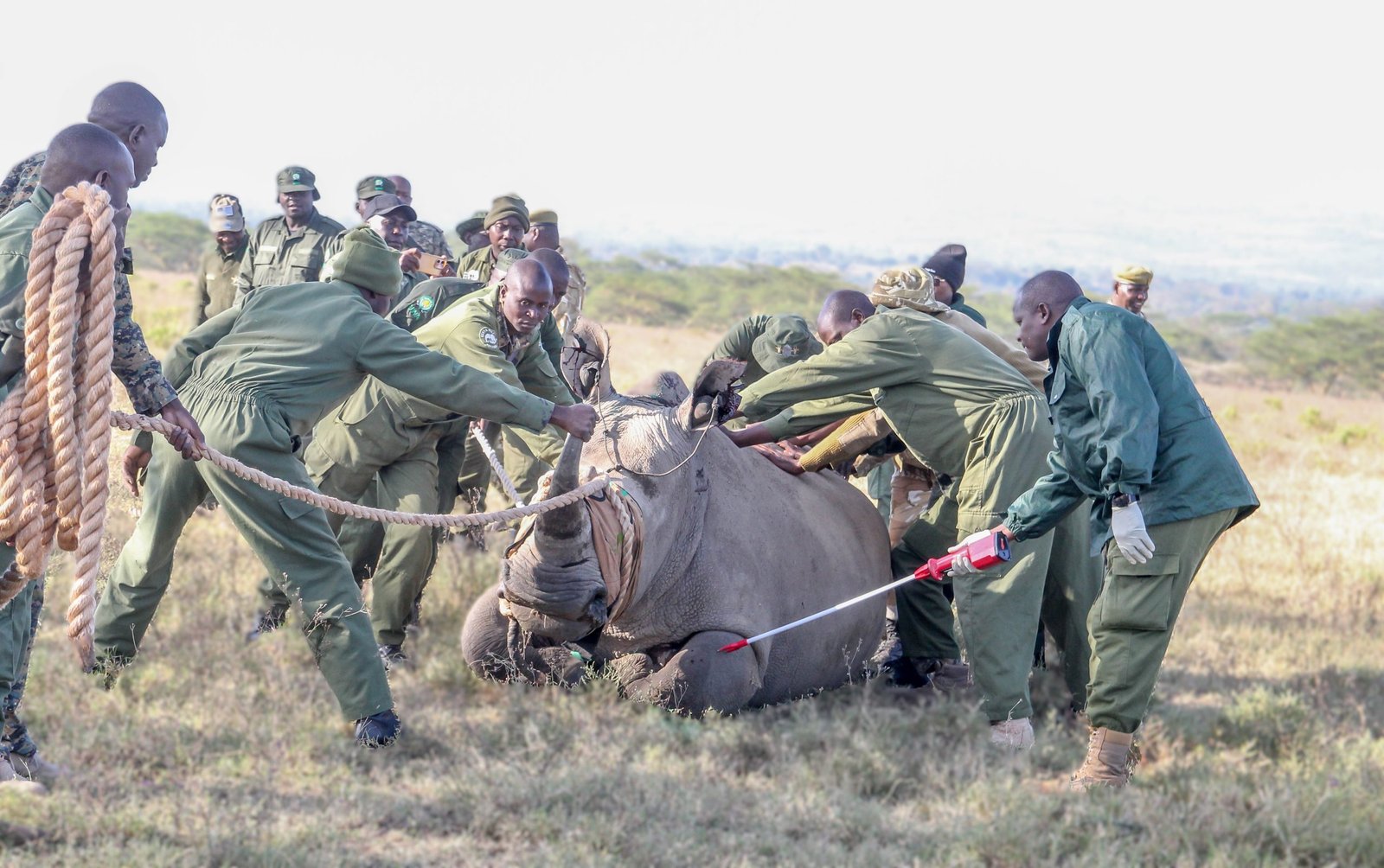
The ten-year initiative brings together the Government of Kenya, international conservation partners and philanthropic donors to support wildlife protection, sustainable land management and communities living alongside some of Africa's most important natural habitats.
Among the landscapes covered by the programme are areas connected to the Maasai Mara and the wider ecosystem shared with Tanzania's Serengeti.
For safari lovers, the announcement is an encouraging reminder that Africa's extraordinary wildlife experiences depend on protecting the landscapes and communities that sustain them.
Discover the Serengeti and Maasai Mara: One Extraordinary Wildlife Ecosystem
The Serengeti and Maasai Mara are among Africa's most celebrated safari destinations.
Located in northern Tanzania and southwestern Kenya, these protected landscapes form part of a connected ecosystem famous for its abundant wildlife and the Great Migration.
Although an international border separates the two countries, wildlife movements are not defined by that boundary.
Each year, enormous herds of wildebeest and zebras move through the ecosystem in search of fresh grazing and water, following seasonal rainfall patterns.
Predators, including lions, cheetahs, hyenas and crocodiles, are closely associated with this remarkable natural cycle.
The result is one of the world's most extraordinary wildlife spectacles.
For travellers, the Serengeti and Maasai Mara offer different but complementary safari experiences.
Serengeti National Park, Tanzania
The Serengeti is famous for its vast open plains, exceptional wildlife populations and breathtaking landscapes.
Travellers can enjoy game drives through beautiful savannahs, observe large predators and discover different wildlife habitats across the park.
Depending on the season and the location of migrating herds, visitors may encounter wildebeest gatherings, calving activity or dramatic river crossings.
The Serengeti also offers a remarkable selection of luxury safari camps and lodges, from intimate tented accommodation to exclusive properties overlooking wilderness landscapes.
For travellers seeking privacy, comfort and exceptional wildlife experiences, a private Serengeti safari remains one of Africa's most rewarding adventures.
Maasai Mara, Kenya
Across the border, the Maasai Mara is equally famous for its wildlife and beautiful landscapes.
The reserve and surrounding conservancies offer opportunities to encounter lions, elephants, giraffes, buffaloes, cheetahs and many other animals.
During periods when migrating herds move into Kenya, the Mara becomes an important part of the Great Migration experience.
Travellers can enjoy guided game drives, selected hot-air balloon experiences and stays in luxury safari lodges or tented camps.
The surrounding conservancies also provide opportunities to learn about community conservation and the role local people play in protecting wildlife habitats.
For visitors with enough time, combining Kenya and Tanzania offers an exceptional opportunity to experience different sections of the greater ecosystem.
What Kenya's US$160 Million Conservation Investment Means
The newly announced Thamani Asili programme is designed to support conservation across approximately 17.3 million hectares of ecologically important Kenyan landscapes over the next decade.
The initiative is expected to mobilise US$80 million from philanthropic supporters, matched by a further US$80 million from the Government of Kenya.
Developed with partners including The Nature Conservancy and Enduring Earth, the programme focuses on long-term conservation financing, community participation and improved management of important natural areas.
Its priority landscapes include Southern Kenya, the Greater Rift Valley, Greater Ewaso and the Tsavo-to-Coastal region.
The programme also recognises the importance of supporting communities whose livelihoods are closely connected to wildlife, land and natural resources.
For travellers, this matters because protecting safari destinations involves much more than maintaining national parks.
Wildlife needs healthy habitats, functioning migration routes, access to water and space to move.
Local communities also need opportunities to benefit from conservation and tourism.
By supporting these interconnected priorities, initiatives such as Thamani Asili can contribute to the long-term protection of the natural attractions that make Kenya and the wider East African region so remarkable.
The financing is directed at conservation in Kenya rather than Tanzania's Serengeti National Park itself. However, protecting connected landscapes on the Kenyan side of the ecosystem is relevant to wildlife that moves across the international border.
These investments are long-term measures, not an immediate guarantee of increased wildlife sightings or new visitor facilities.
Why Responsible Safaris Matter More Than Ever
Every great safari depends on something extraordinary: the opportunity to observe wild animals in the landscapes where they naturally live.
Unlike a conventional sightseeing holiday, a safari is unpredictable.
You may spend an afternoon quietly watching elephants at a waterhole, encounter giraffes crossing the road or witness a lion resting beneath an acacia tree.
These experiences are special precisely because they happen in the wild.
Conservation helps protect that possibility.
Responsible safari tourism also contributes to employment and economic opportunities for local guides, lodge teams, drivers, artisans and communities living near protected areas.
For travellers interested in making their holidays more meaningful, choosing a responsible travel operator can be an important step.
A well-organised safari should respect park regulations, maintain appropriate distances from wildlife and avoid activities that disturb animals or damage their habitats.
Community visits should also be arranged respectfully, with genuine participation and fair benefits for local hosts.
Luxury travel and responsible tourism can work together. Beautiful accommodation, experienced guides and personalised services can complement experiences that respect wildlife and the environment.
When Is the Best Time to Experience the Great Migration?
The Great Migration is a continuous natural movement across the Serengeti–Mara ecosystem, rather than an event that happens on one fixed date.
The location of the herds varies according to rainfall and grazing conditions.
January to March: The southern Serengeti and neighbouring Ndutu area are often important during the wildebeest calving season. This period can offer remarkable opportunities to see young animals and predator interactions.
April to June: Migrating herds generally move through parts of the central and western Serengeti as seasonal conditions change.
July to October: The northern Serengeti and Maasai Mara are particularly popular for travellers hoping to witness river crossings and large concentrations of migrating animals.
November to December: Herds generally begin moving southward through the Serengeti ecosystem as rainfall patterns shift.
These periods are approximate. Wildlife movements can differ considerably from one year to another, and river crossings are never guaranteed.
If witnessing the Great Migration is a priority, choose your safari region and accommodation according to the expected seasonal movement rather than simply booking a lodge anywhere in the Serengeti.
Can You Visit Both the Serengeti and Maasai Mara on One Safari?
Yes. Travellers can combine the two destinations into one memorable East African safari.
A carefully planned itinerary may begin in Nairobi, followed by several days exploring the Maasai Mara.
From Kenya, travellers can continue into Tanzania using an appropriate road border crossing or flight connection, depending on the chosen route.
The Tanzanian portion can include the Serengeti, Ngorongoro Crater and other northern safari destinations.
For travellers seeking a premium experience, private safari vehicles, experienced guides, selected luxury lodges and carefully coordinated transfers can make the journey comfortable and rewarding.
Because the Serengeti and Maasai Mara are in different countries, travellers must observe the applicable immigration and border requirements.
They should also be aware that moving directly between the two protected areas is not as simple as driving across the wildlife reserve boundary. Official border crossings and available transport routes determine the itinerary.
For a comfortable multi-country journey, ten to fourteen days is a useful starting point, particularly if you want to explore both safari regions without rushing.
Travellers with additional time can finish their holiday on Zanzibar's beaches, combining two exceptional wildlife destinations with an Indian Ocean retreat.
Tanzania, Kenya and the Future of Extraordinary Wildlife Experiences
The appeal of an African safari extends far beyond seeing the Big Five.
It's about waking up to extraordinary landscapes, experiencing the silence of the wilderness, learning from knowledgeable local guides and observing nature on its own terms.
Protecting these experiences requires long-term commitment.
Kenya's new conservation investment offers an encouraging example of how governments, conservation organisations, donors and communities can work together to protect valuable natural environments.
For travellers, it is another reason to appreciate the significance of the landscapes they visit.
A safari in the Serengeti or Maasai Mara is not simply a holiday. It is an opportunity to experience a remarkable natural world and to recognise why its conservation matters.
Whether you're planning your first safari, returning to Africa for another adventure or celebrating a special occasion in the wilderness, the Serengeti and Maasai Mara remain among the world's most extraordinary places to explore.
The future of African safaris depends on protecting the wild places that make these journeys possible.
Plan Your African Safari with Zamia Africa
At Zamia Africa, we believe the best safaris combine extraordinary wildlife encounters, personalised experiences and a deep appreciation for Africa's natural heritage.
We specialise in private Tanzania safaris, luxury accommodation and tailor-made journeys designed around your travel interests.
Whether you're dreaming of exploring the Serengeti, witnessing the Great Migration, discovering Ngorongoro Crater or combining Tanzania with other East African destinations, we can help you plan an unforgettable adventure.
Discover Africa's extraordinary wildlife with Zamia Africa.
Explore our private safari experiences at www.zamiaafrica.com.