Ngorongoro Wins Continental Award for Sustainable Tourism and Conservation Excellence
The recognition places one of Tanzania's most celebrated wildlife landscapes in the continental spotlight, highlighting the relationship between biodiversity protection, cultural heritage, tourism investment and the future of responsible safaris.
Tanzania's Ngorongoro Conservation Area has received a continental award for excellence in sustainable tourism and conservation management, adding another distinction to a destination already recognised internationally for its extraordinary wildlife, volcanic landscapes and archaeological heritage.
The Ngorongoro Conservation Area Authority (NCAA) received the Excellence in Sustainable Tourism and Conservation Management Award during the Africa Business Forum & Awards 2026, held in Accra, Ghana, on 17 October 2026.
The award was received by NCAA Conservation Commissioner Abdul-Razak Badru, accompanied by Tanzania's Ambassador to Ghana, Selestine Kakele.
For Tanzania's tourism industry, the award strengthens the international profile of a destination whose value extends far beyond conventional wildlife viewing.
Ngorongoro is a place where geology, biodiversity, archaeology, living cultures and tourism intersect within one protected landscape. Its future success depends not only on attracting visitors but also on protecting the natural and human heritage that makes it exceptional.
What the 2026 award recognises
The Africa Business Forum & Awards recognises achievements across African business and development sectors. Ngorongoro's award specifically concerns sustainable tourism and conservation management.
The recognition highlights the NCAA's work in biodiversity protection, tourism management and safeguarding natural and cultural heritage.
At the ceremony, Commissioner Badru emphasised the importance of African countries using their natural and cultural resources to generate economic, environmental and social benefits.
The award comes at a time when international tourism destinations face growing pressure to demonstrate that visitor spending contributes to conservation and local development.
For Ngorongoro, the challenge is especially complex because the conservation area combines protected wildlife habitats with places of longstanding human settlement and pastoral activity.
An award recognises particular achievements; it does not establish that every environmental, governance or community concern has been resolved.
Ngorongoro's remarkable geography
The Ngorongoro Conservation Area lies in northern Tanzania, within the wider landscapes of the Great Rift Valley and the Serengeti ecosystem.
Established in 1959, the conservation area encompasses approximately 809,440 hectares of highland plains, savannah, woodland, forests and volcanic terrain.
Its most famous landmark is the Ngorongoro Crater, a vast volcanic caldera formed following the collapse of an ancient volcano.
The crater is approximately 19 kilometres across, with a floor covering roughly 260 square kilometres. Its walls rise hundreds of metres above the crater floor, creating one of Africa's most dramatic natural amphitheatres.
Within this relatively concentrated landscape are grasslands, freshwater wetlands, forest patches and Lake Magadi, a seasonal alkaline lake.
The surrounding highlands receive greater rainfall than many neighbouring plains, contributing to a variety of vegetation types and wildlife habitats.
Ngorongoro's geography is central to its tourism appeal. Visitors descend from forested crater rims into an open landscape where wildlife can be encountered against a striking volcanic backdrop.
The wider conservation area also extends into important parts of the Serengeti ecosystem, including landscapes used by migrating wildebeest and zebra.
UNESCO recognises Ngorongoro as a World Heritage property for both its natural and cultural significance.
Wildlife: Why Ngorongoro remains an exceptional safari destination
Ngorongoro's reputation is closely associated with its concentration of large mammals.
Visitors may encounter lions, elephants, buffaloes, zebras, wildebeest, hyenas, hippos and numerous antelope species during guided game drives.
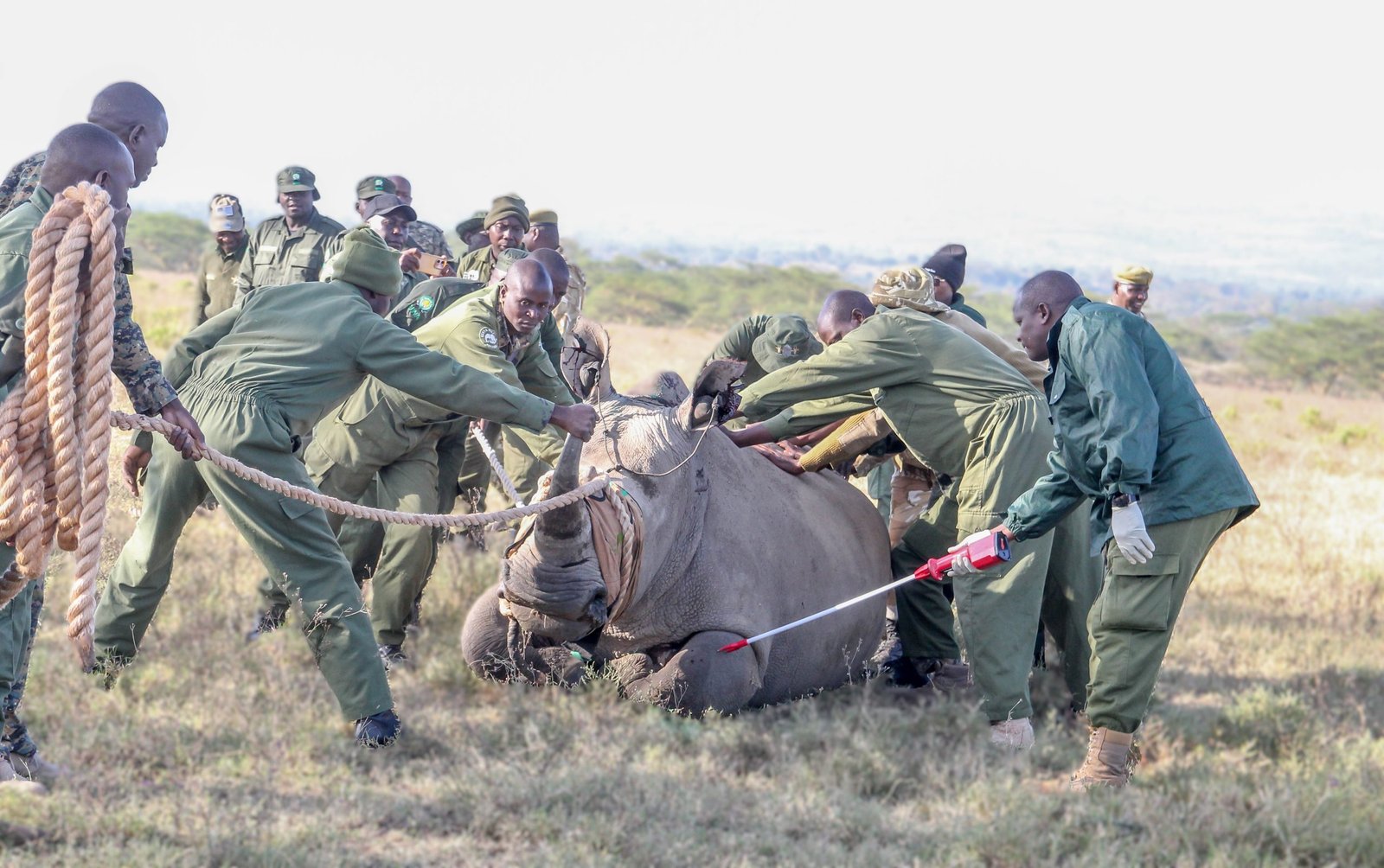
The crater is also an important refuge for the endangered black rhinoceros, one of Africa's most threatened large mammals.
Black rhinos are relatively difficult to observe, and sightings cannot be guaranteed. Their continued protection depends on sustained conservation and anti-poaching efforts.
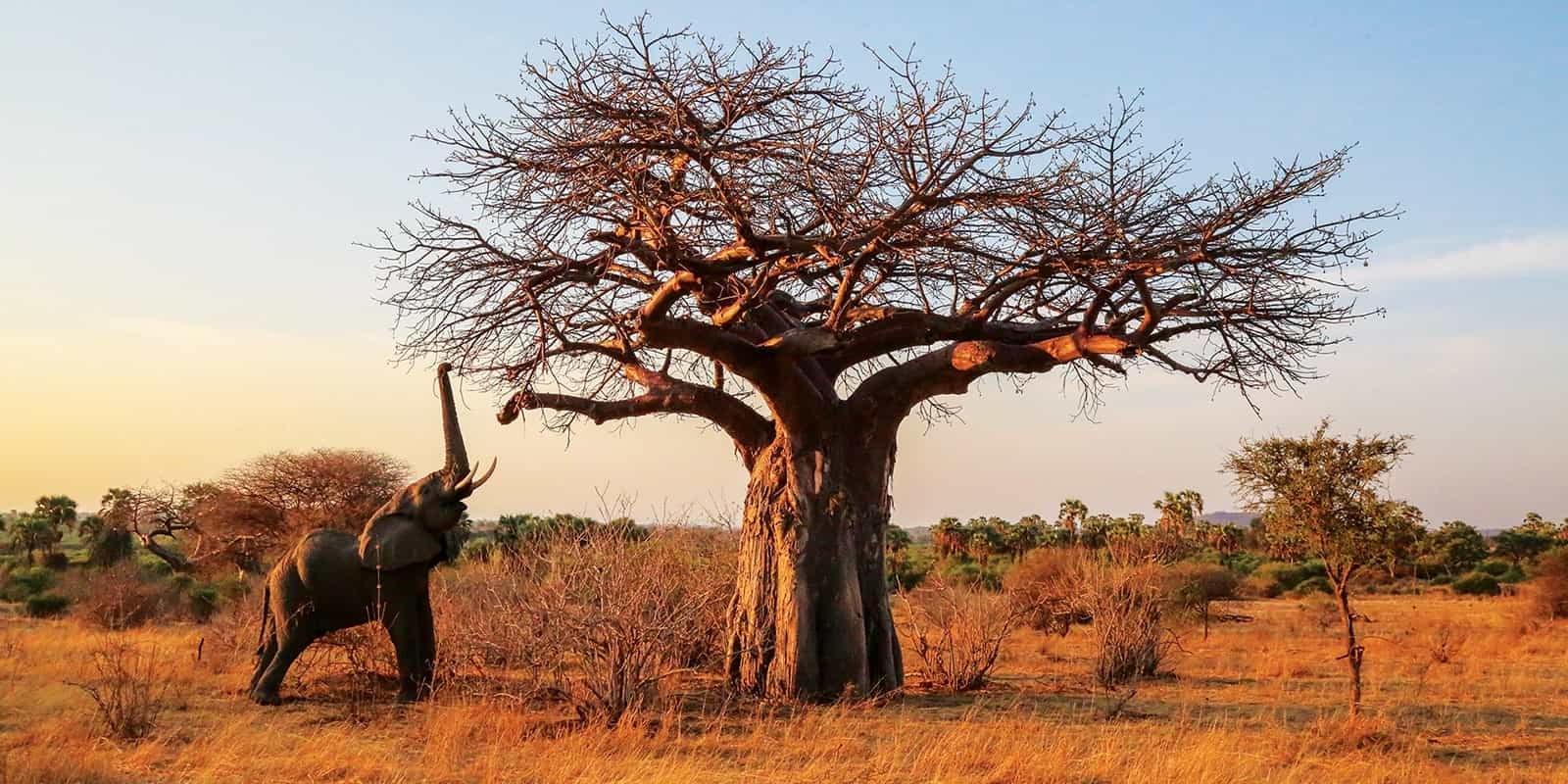
Elephants are another prominent feature of Ngorongoro's wildlife experience. Large bulls may be seen moving through forested areas and across open plains.
Lions occupy different parts of the crater, while spotted hyenas play an important ecological role as both predators and scavengers.
Birdlife adds another dimension. The crater's wetlands and grasslands support waterbirds, raptors and other species, with seasonal variation in abundance.
Ngorongoro is frequently included in Tanzania's northern safari circuit because its geography allows visitors to experience several habitats during a single game-drive day.
However, the concentration of vehicles around popular wildlife sightings can affect the visitor experience. Responsible guiding, respect for wildlife and compliance with vehicle restrictions are essential.
More than wildlife: Ngorongoro's archaeological significance
Ngorongoro is also internationally important for understanding human evolution.
The wider conservation area includes Olduvai Gorge, one of the world's most significant archaeological landscapes.
Research conducted in and around the gorge has contributed substantially to scientific understanding of early hominins, stone tools and prehistoric environments.
The area is associated with pioneering archaeological work by Louis and Mary Leakey and subsequent generations of researchers.
Laetoli, another internationally important archaeological site within the wider landscape, is known for fossilised footprints dating back approximately 3.6 million years.
These footprints provide evidence of early bipedal movement and are among the remarkable discoveries associated with human evolutionary history.
For visitors, the archaeological dimension offers an opportunity to understand Ngorongoro as a place where the story of wildlife and the story of humanity overlap.
A carefully designed itinerary can combine crater wildlife viewing with a visit to an authorised archaeological or interpretation site, subject to access arrangements.
The Maasai and the meaning of conservation
One of Ngorongoro's defining characteristics is its history as a multiple-use conservation landscape.
Unlike national parks that generally prohibit permanent settlement, Ngorongoro was established with an arrangement intended to accommodate wildlife conservation and traditional pastoral livelihoods.
Maasai communities have longstanding cultural, economic and social relationships with the area.
Their pastoral traditions, livestock management and cultural heritage form part of the wider human history of the landscape.
This relationship has also created difficult policy questions concerning land use, population growth, conservation priorities, access to resources and community rights.
UNESCO's World Heritage documentation specifically emphasises the need to protect the interests of resident pastoralist communities and ensure meaningful participation in management and benefit-sharing.
Responsible tourism therefore requires more than promoting cultural encounters.
Visitors should choose experiences organised with community consent, fair compensation and respect for local traditions.
The long-term success of conservation in Ngorongoro depends on arrangements that protect wildlife while addressing the rights, livelihoods and wellbeing of affected communities.
What sustainable tourism means in Ngorongoro
Sustainable tourism is commonly understood as tourism that considers its economic, environmental and social impacts while meeting the needs of visitors, host communities and the environment.
In a destination such as Ngorongoro, that principle has several practical dimensions.
Environmental sustainability involves protecting wildlife habitats, limiting pollution, managing waste, conserving water and preventing tourism infrastructure from damaging sensitive ecosystems.
Economic sustainability means ensuring that tourism generates long-term value through employment, local procurement, accommodation, guiding, transport and conservation financing.
Social sustainability requires respect for community rights, cultural heritage and equitable participation in tourism benefits.
These dimensions are connected.
A tourism operation may have excellent environmental practices but still fall short if it excludes communities from decision-making or distributes economic benefits unfairly.
Ngorongoro's 2026 award is therefore an opportunity to discuss the wider standards by which responsible tourism should be judged.
Tanzania's growing tourism economy
Ngorongoro's recognition comes amid growth in Tanzania's international tourism sector.
According to figures discussed in Business Insider Tanzania, based on the 2025 International Visitors' Exit Survey, Tanzania received approximately 2.29 million international tourist arrivals in 2025, compared with 2.14 million in 2024.
Tourism earnings were reported at approximately USD 4.41 billion in 2025, compared with USD 3.90 billion in the preceding year.
These figures relate to the national tourism industry, not Ngorongoro alone.
They nevertheless illustrate the importance of destinations such as Ngorongoro in supporting Tanzania's wider tourism economy.
Visitor spending can support accommodation businesses, tour operators, vehicle services, food suppliers, craftspeople and other enterprises.
The economic benefits also extend to international and domestic transport, hospitality investment and tourism-related employment.
Continued growth makes conservation management increasingly important.
A destination that attracts more visitors must also manage pressures on roads, wildlife-viewing areas, waste systems and natural resources.
How travellers can experience Ngorongoro
Most international visitors reach Ngorongoro through Tanzania's northern tourism gateway of Arusha.
The conservation area can be included in itineraries that also feature Tarangire National Park, Lake Manyara and Serengeti National Park.
A typical Ngorongoro experience includes an overnight stay near the crater rim or in the surrounding highlands, followed by an early morning descent for a guided game drive.
The crater's elevation means temperatures can be cool, particularly in the morning and evening.
Visitors should bring suitable clothing for changing conditions.
Accommodation options range from established lodges to premium properties offering panoramic views and private services.
Because park fees, vehicle arrangements and access conditions can change, visitors should confirm the applicable costs and rules before booking.
A suggested five-day Ngorongoro and Serengeti safari
Day 1: Arrival in Arusha. Transfer from the airport to accommodation and receive a briefing about the journey.
Day 2: Tarangire National Park. Explore elephant habitats, baobab landscapes and seasonal wildlife concentrations.
Day 3: Ngorongoro Conservation Area. Travel through the highlands and undertake a guided crater safari.
Day 4: Serengeti National Park. Continue to the Serengeti for game drives and an overnight wilderness stay.
Day 5: Serengeti and departure. Enjoy a morning wildlife activity before travelling onward according to the confirmed transport arrangements.
Travellers with more time should consider extending the journey to allow additional nights in the Serengeti and a less hurried Ngorongoro experience.
Why the award matters for international travellers
International awards can help travellers discover destinations they may not previously have considered.
For Ngorongoro, the 2026 recognition provides another reason to explore the conservation area's extraordinary combination of wildlife, volcanic geography and archaeological heritage.
However, travellers should use awards as a starting point rather than the sole basis for choosing a destination or operator.
The quality of a safari also depends on the guide, accommodation, season, vehicle arrangements and responsible management practices.
Visitors who value sustainability should ask practical questions about conservation contributions, community partnerships and environmental standards.
Ngorongoro's future depends on protecting what makes it exceptional
The continental award is an important achievement for Tanzania and the Ngorongoro Conservation Area Authority.
It recognises the international significance of a landscape whose ecological and cultural value extends well beyond national borders.
But Ngorongoro's greatest asset is not an award.
It is the extraordinary relationship between wildlife, volcanic geography, ancient human history and living communities.
Preserving that relationship will determine whether future generations can continue to experience Ngorongoro as one of Africa's most remarkable destinations.
For travellers considering Tanzania, Ngorongoro remains a compelling centrepiece of a northern safari and an opportunity to appreciate the wider meaning of conservation.