Tanzania Takes Its Extraordinary Destinations to World Travel Market London 2026
Tanzania is engaging international travel partners at WTM London from 3–5 November 2026. Beyond the trade show, discover the varied holidays the country offers.
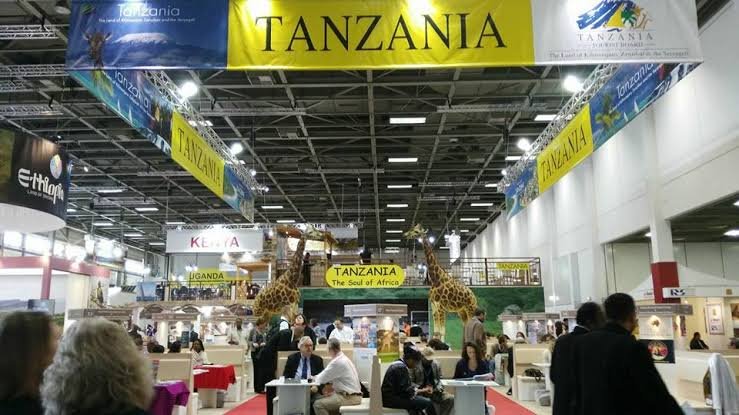
During the first week of November, Tanzania used one of the travel industry's largest international gatherings to tell a bigger story about its tourism offering.
World Travel Market London 2026 takes place from 3–5 November at ExCeL London, bringing together travel professionals, destinations and businesses from around the world. On 2 November, Tanzania's Minister for Natural Resources and Tourism, Dr Ashatu Kijaji, held meetings in London with travel and media stakeholders as part of the country's destination-promotion efforts.
Among the discussions reported were opportunities to strengthen Tanzania's visibility in international travel publications and explore new marketing partnerships. These are meetings and proposals; they should not be presented as confirmed visitor growth or completed commercial agreements.
What does Tanzania offer international travellers?
For a first safari, the Serengeti and Ngorongoro Crater are iconic choices. Tarangire adds elephant-rich landscapes, while Arusha provides a practical gateway to the northern circuit.
For returning visitors, the possibilities go much further. Ruaha and Nyerere offer different wilderness experiences in southern Tanzania. Western destinations such as Gombe and Mahale are renowned for chimpanzees, while Lake Tanganyika offers extraordinary scenery.
Zanzibar adds beaches, Stone Town heritage and private island experiences. Travellers looking for quieter coastal environments may also consider Pemba or Mafia Island.
Planning a holiday that goes beyond the familiar
A traveller from the UK or another international market can combine a private safari with a Zanzibar stay, plan a honeymoon around intimate lodges and beachfront resorts, or build an extended journey around nature, culture and relaxation.
The best holiday is not simply the one that visits the greatest number of places. It is the journey that leaves enough time to appreciate each destination and avoids unnecessary transfers.
A country that cannot be reduced to one safari route
International travel fairs are designed for industry relationships, but they also influence the holidays that reach customers in future seasons. Tanzania's presence at World Travel Market London puts operators, lodges and destination marketers in front of agencies that sell African holidays globally. The value for travellers is indirect: better information, more carefully assembled itineraries and potential new partnerships. Meetings on a trade-show floor are not, by themselves, evidence of completed bookings or newly opened attractions.
For years, the northern safari circuit has dominated many visitors' ideas of Tanzania. The Serengeti, Ngorongoro and Tarangire deserve their reputation, but they are only part of the country's travel story. Ruaha and Nyerere offer wilderness experiences with a different pace; Gombe and Mahale provide opportunities for carefully managed chimpanzee trekking; western lakes and forested mountain landscapes introduce still more variety.
Matching a destination to the traveller
A family making its first African journey may value a well-organised northern safari with comfortable lodges and short, predictable transfers wherever possible. A seasoned wildlife photographer might choose longer stays in a smaller number of parks to observe behaviour over several days. An adventurous couple may prefer an itinerary incorporating hiking or remote destinations, while honeymooners could combine a private safari with a quiet beach villa.
The differences matter. Not every park has the same road network, level of accommodation, flight frequency or activity options. A lodge advertised as exclusive may also be difficult to reach. Travellers should compare the substance of the experience—guide quality, activity schedule, conservation standards and total travel time—not merely its promotional label.
Why regional partnerships are useful
International agencies often rely on local specialists to make travel work on the ground. A good destination partner understands seasonal access, accommodation reliability, park rules and the pace that makes an itinerary enjoyable. It can coordinate safari drivers, domestic flights, transfers and island stays while providing clear points of contact if circumstances change.
For visitors from the UK and other overseas markets, transparent proposals are particularly useful. Quotations should specify park fees, room basis, meal plans, domestic flight baggage restrictions, visas and insurance obligations where applicable. A responsive operator who explains exclusions clearly is more valuable than an impressive itinerary that leaves essential costs until the last moment.
A better way to discover Tanzania
Instead of asking how many destinations can fit into ten days, consider which two or three experiences will make the holiday distinctive. A week in a few carefully selected safari areas, followed by several nights on Zanzibar, can be more satisfying than crossing the country repeatedly. For longer stays, lesser-known destinations may add real depth. International promotion can introduce travellers to those possibilities, but thoughtful local planning is what turns the promise into a memorable journey.
At Zamia Africa, our approach is to help travellers discover Tanzania in a more personalised way. Explore private safaris and luxury island holidays at www.zamiaafrica.com.