Uganda's Virunga Gorilla Marathon Opens a New Chapter for Conservation and Adventure Tourism in Kisoro
For international travellers, the initiative draws attention to Kisoro, a destination whose appeal extends considerably beyond its internationally recognised mountain gorilla population.
Uganda is expanding its adventure tourism offering through the Mountain Gorilla Festival, a conservation-focused initiative that brings together endurance sports, wildlife protection, cultural heritage and community development in one of East Africa's most spectacular mountain landscapes.
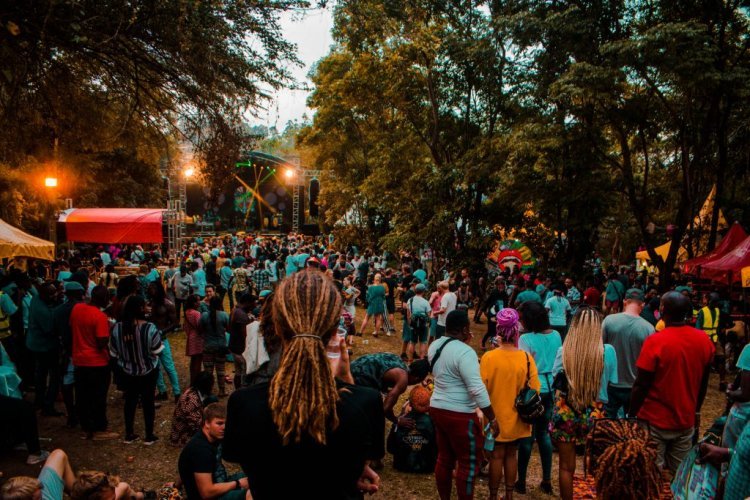
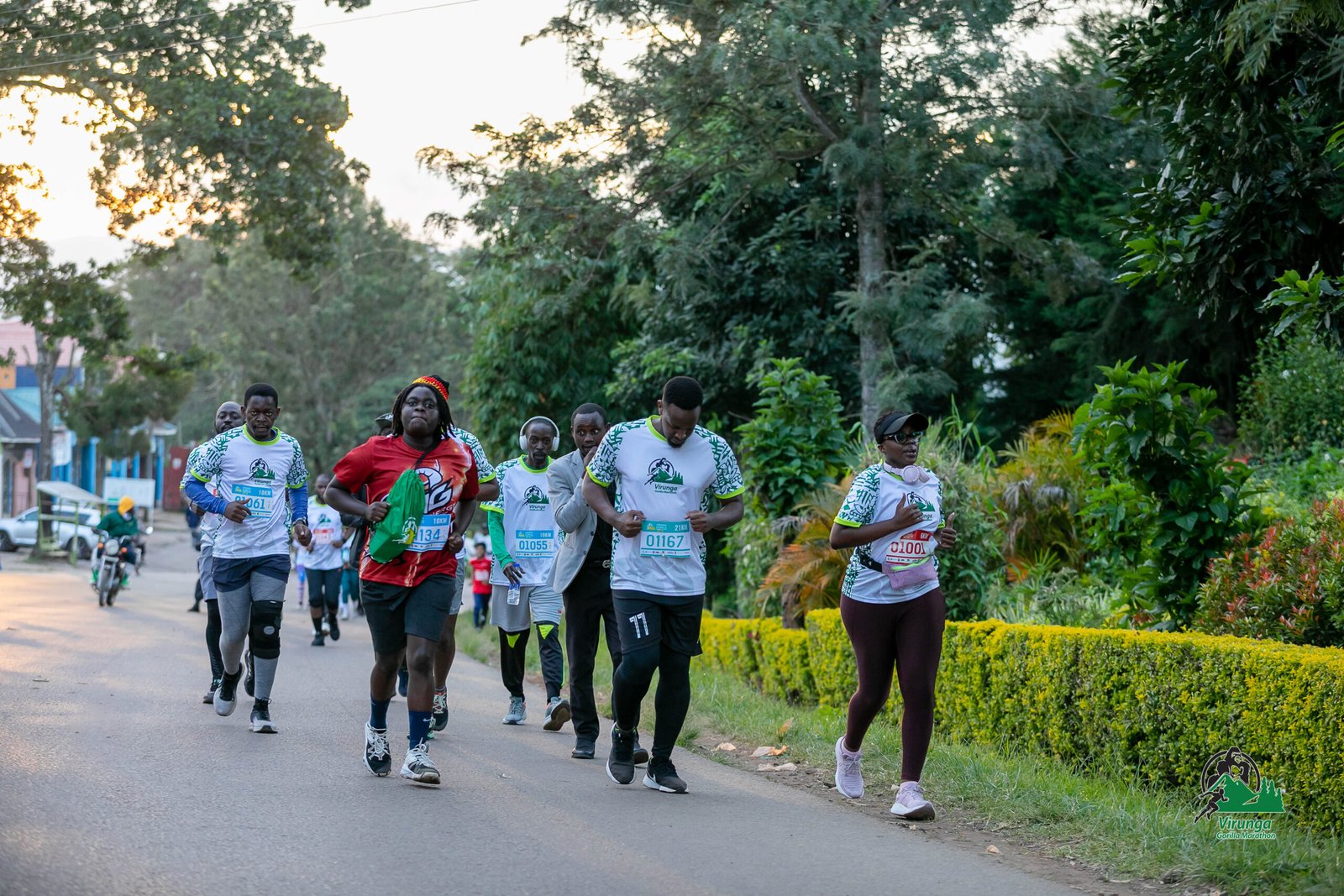
Held from 19 to 22 November 2026 in Kisoro District, the inaugural festival featured the Virunga Gorilla Marathon on Saturday, 21 November, attracting athletes, conservationists, tourism professionals and local communities.
The event was supported by the Uganda Wildlife Authority (UWA) as part of broader efforts to strengthen public participation in mountain gorilla conservation and diversify tourism experiences in southwestern Uganda.
The marathon offered five race categories, ranging from a six-kilometre recreational trail to the demanding 112-kilometre Silverback Trail, creating opportunities for participants with different levels of fitness and endurance.
Uganda Wildlife Authority Executive Director James Musinguzi indicated that conservation initiatives must generate meaningful economic opportunities for communities living alongside protected areas. Organisers are also exploring the potential to establish the festival as a recurring international tourism attraction.
For international travellers, the initiative draws attention to Kisoro, a destination whose appeal extends considerably beyond its internationally recognised mountain gorilla population.
Discovering Kisoro: Uganda's volcanic tourism frontier
Located in southwestern Uganda, close to the borders of Rwanda and the Democratic Republic of the Congo, Kisoro occupies one of East Africa's most geographically distinctive landscapes.
The district lies within the wider Virunga region, characterised by volcanic mountains, fertile agricultural slopes, lakes, montane forests and culturally diverse communities.
Its proximity to Mgahinga Gorilla National Park and sections of Bwindi Impenetrable National Park makes it an important gateway for mountain gorilla trekking.
However, Kisoro also offers opportunities for hiking, birdwatching, canoeing, photography, cultural tourism and secluded lakeside accommodation.
The region's relatively cool mountain climate and dramatic scenery provide an experience that contrasts sharply with the savannah landscapes commonly associated with African safaris.
For travellers who have already visited destinations such as the Serengeti or Maasai Mara, Kisoro presents an opportunity to discover another dimension of East African wilderness.
The Virunga Mountains: A landscape shared by three countries
The Virunga Mountains form a chain of eight major volcanoes stretching across Uganda, Rwanda and the Democratic Republic of the Congo.
Within Uganda, Mount Muhabura, Mount Gahinga and Mount Sabyinyo dominate the southern Kisoro landscape.
The region forms part of the Albertine Rift, an area recognised for its exceptional biodiversity and concentration of species with restricted geographical distributions.
Its volcanic soils support productive agricultural landscapes, while protected mountain forests provide habitats for internationally important wildlife populations.
The Virunga landscape is particularly significant because it supports one of the two remaining major populations of mountain gorillas. The other inhabits the Bwindi–Sarambwe ecosystem.
These forests are therefore not simply tourism destinations. They are globally significant conservation landscapes requiring cooperation between communities, governments, researchers and conservation organisations.
Mountain gorillas: The foundation of southwestern Uganda's tourism identity
Mountain gorillas are among the world's most remarkable primates.
Living in social groups generally led by a mature silverback male, they inhabit montane and high-altitude forest ecosystems where they feed primarily on vegetation.
Their survival has been threatened historically by habitat loss, disease, poaching and human pressures.
Conservation programmes involving habitat protection, veterinary monitoring, research and regulated tourism have contributed to their recovery.
Unlike conventional wildlife viewing from safari vehicles, gorilla trekking involves travelling on foot through forest environments under the supervision of authorised guides and trackers.
The experience can involve steep terrain, muddy trails, dense vegetation and considerable physical effort.
Visitors are generally permitted a limited period with habituated gorilla groups after locating them, subject to strict conservation and health protocols.
The experience's exclusivity reflects the need to balance visitor demand with the welfare of the animals.
Mgahinga Gorilla National Park: One of Uganda's most distinctive protected areas
Mgahinga Gorilla National Park covers approximately 34 square kilometres, making it Uganda's smallest national park.
Despite its relatively small size, the park protects an internationally important section of the Virunga volcanic ecosystem.
It is particularly appealing to travellers interested in mountain gorillas, golden monkeys, volcanic hiking and scenic mountain environments.
The park's attractions include guided gorilla trekking, golden monkey tracking, birdwatching and authorised hikes on the surrounding volcanoes.
Golden monkeys are especially interesting because of their distinctive appearance, agile movements and association with bamboo forest habitats.
For travellers interested in primates, combining gorilla trekking and golden monkey tracking can provide two contrasting wildlife experiences within the same protected landscape.
Bwindi Impenetrable National Park
Designated a UNESCO World Heritage Site in 1994, Bwindi Impenetrable National Park protects approximately 321 square kilometres of exceptionally biodiverse forest.
The park's steep hills, valleys and dense vegetation create a distinctive trekking environment.
Bwindi is divided into several tourism sectors, including Buhoma, Ruhija, Rushaga and Nkuringo. Accommodation and transport arrangements should be selected according to the sector where the visitor's trekking permit has been allocated.
Rushaga and Nkuringo are particularly relevant when planning itineraries involving Kisoro and southwestern Uganda.
Travellers should not assume that accommodation near one trekking sector provides convenient access to every other sector. Road conditions and mountainous terrain can make transfers considerably longer than geographical distances suggest.
Bwindi also offers opportunities for forest walks, birdwatching and community-based cultural experiences.
Lake Mutanda: A secluded freshwater retreat
Lake Mutanda lies near Kisoro, surrounded by hills and views of the Virunga volcanoes.
The lake's islands, agricultural landscapes and relatively peaceful surroundings make it an attractive destination for visitors seeking relaxation after gorilla trekking or mountain adventures.
Suitable experiences include guided canoeing, birdwatching, photography, nature walks and visits to nearby communities.
Lake Mutanda can also serve as a base for selected wildlife and mountain activities, depending on accommodation location and the visitor's trekking permits.
Its combination of mountain scenery and freshwater landscapes makes it particularly suitable for couples, nature photographers and travellers seeking an alternative to conventional safari lodge environments.
Visitors considering swimming or other water-based activities should seek local guidance regarding water safety, health risks and weather conditions.
How sports tourism can support wildlife conservation
The Virunga Gorilla Marathon introduces an important dimension to Uganda's tourism economy.
Traditional gorilla tourism depends heavily on a limited number of trekking permits. While these experiences can generate considerable revenue, ecological considerations necessarily restrict how many visitors can encounter gorillas directly.
Sports tourism provides an opportunity to attract additional visitors without requiring every participant to undertake a gorilla trek.
Runners and their companions may spend several days in the region, creating demand for accommodation, food, transport, equipment, guiding services and cultural experiences.
Local businesses can benefit from these activities, provided tourism revenue is distributed through meaningful commercial participation.
The marathon also creates an international platform for conservation awareness.
By associating endurance sport with wildlife protection, organisers can introduce conservation issues to audiences who might not otherwise engage with traditional wildlife tourism.
The inaugural Mountain Gorilla Festival also included plans for digital engagement with gorilla conservation through an application intended to connect users with monitored gorilla families.
However, the long-term conservation value of these initiatives should be assessed through actual community benefits, environmental management and transparent use of funds rather than publicity alone.
The cultural heritage of Kisoro and the wider Kigezi region
Southwestern Uganda is home to communities with rich agricultural traditions, languages, music, storytelling and cultural practices.
The region is closely associated with the Bafumbira and Bakiga communities, alongside Batwa communities whose historical relationship with forest landscapes remains central to discussions about conservation and cultural heritage.
Visitors can participate in appropriately organised cultural experiences involving traditional food, crafts, music, agricultural activities and local storytelling.
Cultural tourism should be undertaken respectfully, particularly where communities have experienced historical displacement or economic marginalisation.
Responsible operators should prioritise community-led experiences, fair compensation and informed participation rather than presenting communities merely as tourist attractions.
When is the best time to visit Kisoro?
The region can be visited throughout the year, subject to weather, road access and activity availability.
June to September and December to February generally offer relatively drier conditions, making these periods attractive for gorilla trekking and outdoor activities.
March to May and October to November are generally wetter, although rainfall varies across the mountainous landscape.
The inaugural Mountain Gorilla Festival took place in November, demonstrating the potential for organised tourism events outside the traditionally busiest travel months.
Visitors attending future marathon editions should prepare for variable temperatures, rainfall, uneven terrain and the physical demands of running at elevation.
Future event dates have not yet been confirmed.
How to get to Kisoro
International travellers generally arrive in Uganda through Entebbe International Airport.
From Entebbe or Kampala, Kisoro can be reached by road through southwestern Uganda.
Road journeys may require approximately eight to ten hours or longer, depending on traffic, weather, stops and the selected route.
Domestic flights to Kisoro Airstrip may provide an alternative, subject to operating schedules and weather conditions.
Travellers arriving from Rwanda may also consider crossing through the Cyanika border area, provided their itinerary complies with current immigration, health and border-access requirements.
Kigali can be a geographically convenient gateway for some southwestern Uganda itineraries, but cross-border arrangements should be confirmed in advance.
Gorilla trekking permits and travel costs
Gorilla trekking requires authorised permits issued through the Uganda Wildlife Authority.
Indicative budgets for a gorilla-focused Uganda holiday are:
Experience and Indicative budget
Uganda gorilla trekking permit
Budget around US$800–1,000 for foreign non-residents, pending current tariff confirmation
Guided golden monkey experience
US$60–150
Premium lakeside accommodation
US$200–500+ per room per night
Four- to five-day private gorilla holiday
US$2,000–4,000+ per person
Extended luxury Uganda adventure
US$5,000–10,000+ per person
These are planning estimates rather than confirmed current tariffs. Permit fees vary by residency category, activity and applicable UWA tariff period.
Travellers should verify current prices directly with the authority or an authorised tourism operator.
A ten-day Uganda conservation and adventure itinerary
Day, destination and experience
1
Arrival in Entebbe and lakeside relaxation
2
Transfer to southwestern Uganda
3
Lake Mutanda exploration
4
Mountain gorilla trekking
5
Golden monkey tracking in Mgahinga
6
Cultural experiences around Kisoro
7
Guided volcanic hike or nature walk
8
Transfer to Lake Bunyonyi
9
Lakeside relaxation and cultural activities
10
Return or onward travel arrangements
During future marathon editions, the programme could incorporate race registration, participation and post-event recovery.
Visitors combining endurance running with gorilla trekking should allow sufficient time to recover and avoid scheduling several demanding activities on consecutive days.
Kisoro's future as an international adventure destination
The Mountain Gorilla Festival illustrates Uganda's ambition to establish southwestern Uganda as more than a specialised primate-tourism destination.
Its combination of mountain scenery, wildlife, cultural heritage, lakes and endurance sports provides the foundation for a broader adventure tourism economy.
If future editions attract international participants and generate measurable local benefits, the festival could become a significant event on East Africa's tourism calendar.
For travellers, Kisoro offers the opportunity to discover a region where extraordinary biodiversity and human livelihoods are closely interconnected.
Discover Uganda's mountain gorillas, Virunga landscapes and private conservation-focused journeys with Zamia Africa