Zanzibar Beyond the Beach: How to Experience the Island Properly
Planning a Zanzibar holiday? Discover Stone Town, spice farms, dhow sailing, the best beach areas and how to combine Zanzibar with a Tanzania safari.
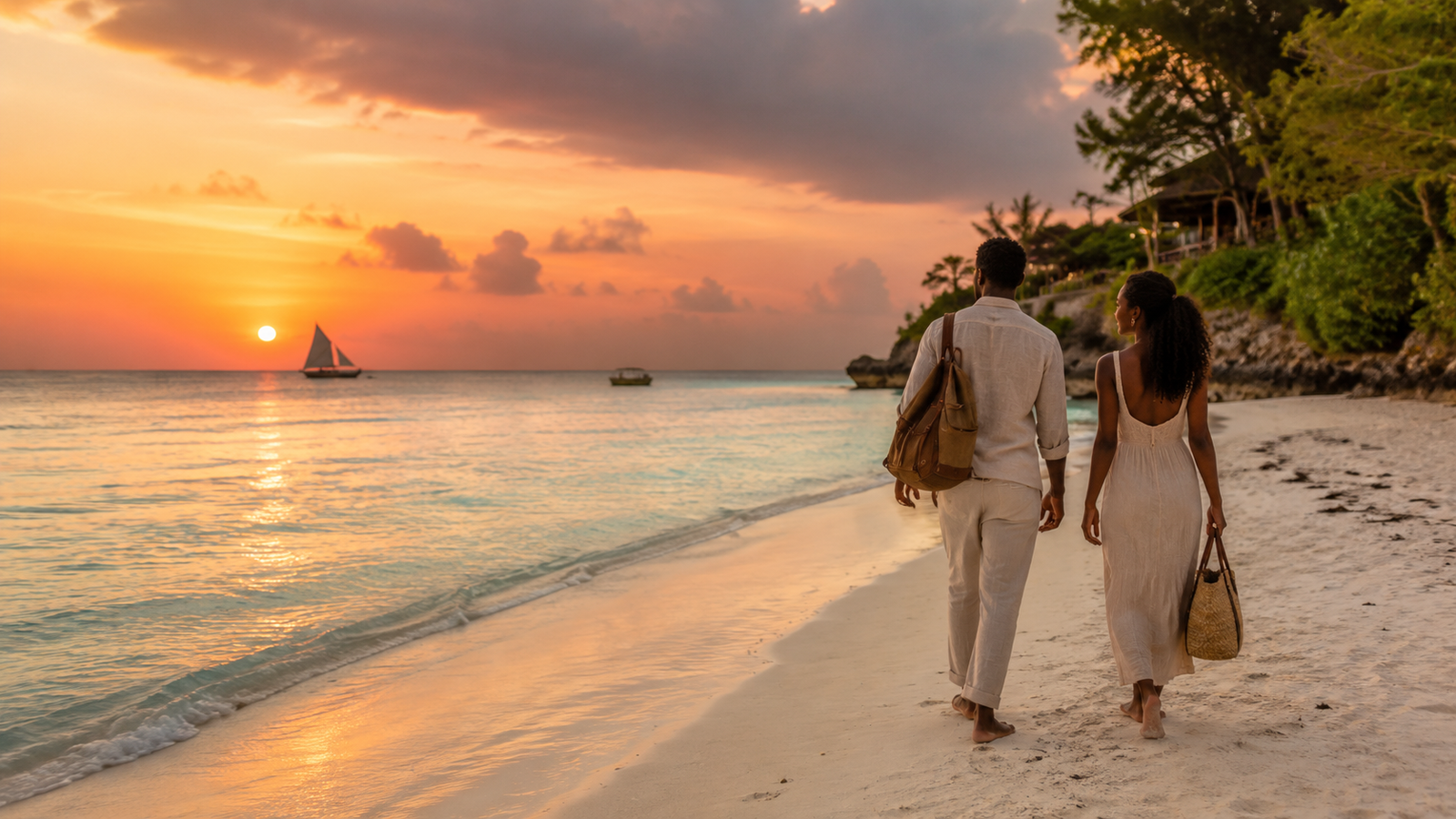
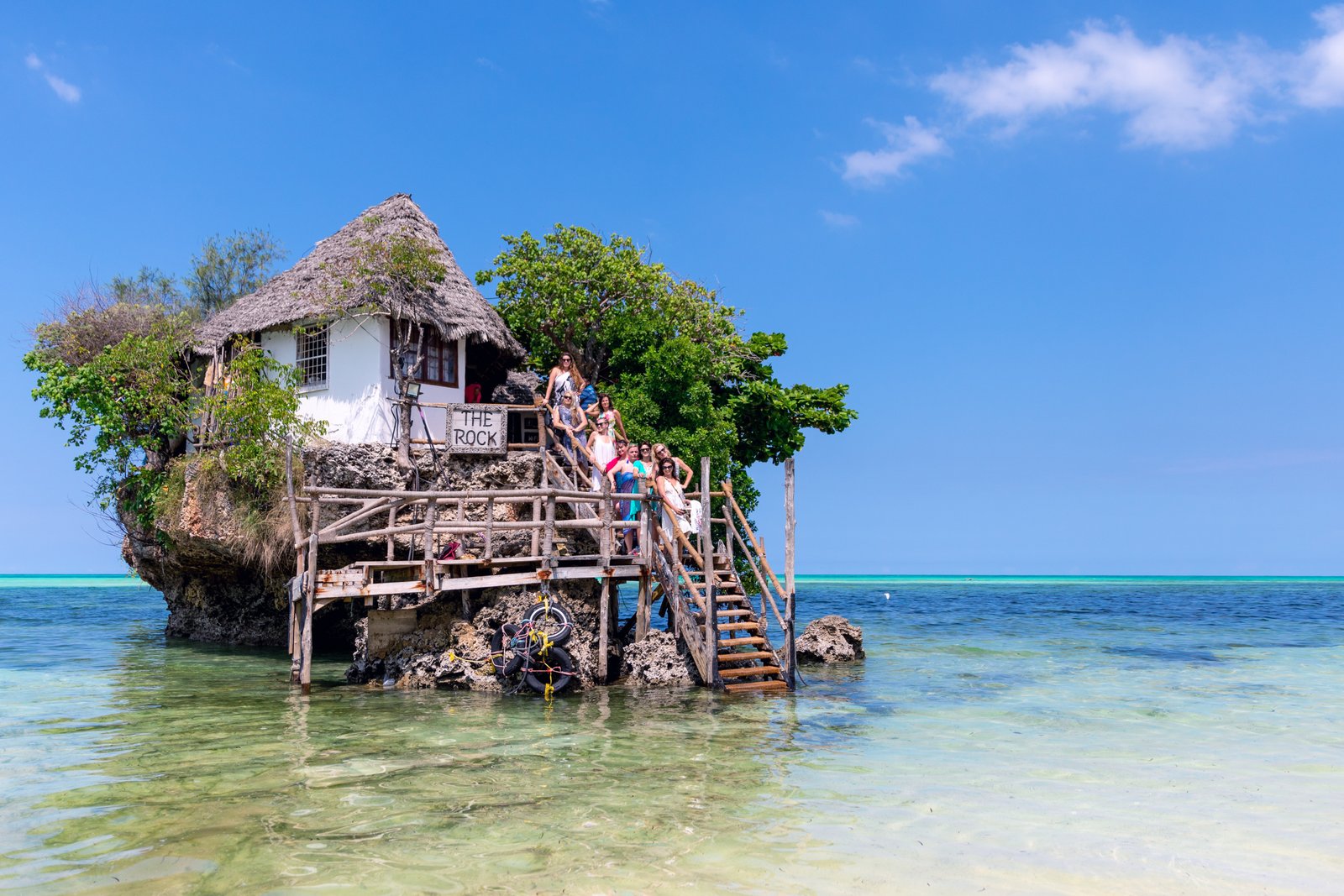
For many travellers, Zanzibar is first imagined through its coastline: white sand, warm Indian Ocean water, palm trees and a few uninterrupted days after safari. That picture is accurate. It is also incomplete.
Zanzibar is one of those destinations where the beach becomes considerably more interesting once you understand what lies behind it. Stone Town, spice farms, Swahili food, sailing traditions, fishing villages and centuries of Indian Ocean trade give the island a character that cannot be experienced from a resort alone.
That broader side of Zanzibar is receiving renewed attention as Tanzania prepares for the ninth Swahili International Tourism Expo, S!TE 2026, in Dar es Salaam from 23–25 October. The Tanzania Tourist Board expects more than 280 hosted buyers, 150 exhibitors and participants from over 50 countries, followed by familiarisation trips across the country.
One of those post-expo journeys is devoted entirely to Zanzibar.
The itinerary is revealing. Instead of focusing only on resorts, international travel buyers will be taken through Stone Town, historical sites, spice farms, coastal attractions and cultural experiences. Tanzania Tourist Board describes the objective as presenting Zanzibar as a high-value leisure and cultural tourism destination.
For someone planning a holiday, the message is simple: go for the beach, but do not experience only the beach.
Start With Stone Town
The best introduction to Zanzibar is often not a resort.
It is Stone Town.
The historic centre gives context to almost everything that comes later: the food, architecture, spices, dhows, languages and cultural identity of the island.
Stone Town was shaped by centuries of movement across the Indian Ocean, with African, Arab, Persian, Indian and European influences leaving their mark on its buildings, cuisine and everyday life. Its appeal is not in monumental sightseeing alone. Much of the experience comes from walking.
Narrow streets open unexpectedly into small squares. Carved doors sit beside shops, cafés and homes. The waterfront changes character as the afternoon fades and dhows move across the horizon.
This is a place better explored slowly than through a quick stop between the airport and a beach resort.
For first-time travellers, one or two nights is usually enough to experience the town without taking too much time away from the coast.
A private walking tour also makes a considerable difference. Without context, an old doorway is an old doorway. With someone explaining the families, trade, architecture and history behind it, the same street becomes part of Zanzibar's story.
Spend an Evening on the Waterfront
Stone Town is particularly atmospheric toward sunset.
The heat begins to soften, people gather along the seafront and traditional dhows become silhouettes against the western horizon.
Forodhani Gardens adds another layer after dark, when the waterfront becomes an open-air food space serving seafood and local dishes. Recent Zanzibar travel guides continue to highlight the area as one of the easiest places for visitors to experience the island's evening food culture.
A sunset dhow cruise works particularly well on the same evening.
The dhow is not simply a tourism prop. Wooden sailing vessels belong to the wider Indian Ocean trading culture that connected Zanzibar with the African coast, Arabia and Asia for generations.
Seen from the water at sunset, Stone Town makes much more sense as an island city.
Understand Why Zanzibar Is Called the Spice Island
The beach explains Zanzibar's modern tourism reputation.
Spices explain an important part of its history.
Cloves became central to Zanzibar's nineteenth-century economy, while cinnamon, cardamom, nutmeg, vanilla, black pepper and other crops continue to form part of the island's agricultural identity.
A good spice experience should be more than stopping beside plants while someone names them.
Walk through a working farm.
Smell leaves before being told what they are.
See how pepper grows.
Break cinnamon bark.
Taste seasonal fruits.
Understand how different spices are cultivated and used in local cooking.
Tanzania Tourist Board has placed a guided spice-farm experience directly into the official S!TE 2026 Zanzibar programme for international tourism buyers, alongside historical and cultural visits.
That is significant because it positions the spice experience not as an optional tourist diversion but as one of the island's defining products.
A half-day is sufficient.
It also fits naturally between Stone Town and a move toward the beaches.
Then Go to the Coast — But Choose the Right One
There is no single "Zanzibar beach."
Different parts of the island produce very different holidays.
A traveller who wants long swimming sessions, restaurants and sunset activity may enjoy the north.
Someone looking for quiet boutique accommodation and easy access toward Mnemba may prefer the northeast.
A younger traveller who wants kitesurfing, cafés and a livelier beach community may be happier around Paje.
A couple looking for a slower atmosphere may choose Jambiani or another quieter stretch of the east coast.
This is why choosing a hotel purely from photographs can be misleading.
The more useful question is not:
Which hotel is best?
It is:
How do I want my days in Zanzibar to feel?
Once that is clear, the right coast becomes much easier to choose.
Nungwi and Kendwa: For Swimming and Energy
Northern Zanzibar is one of the easiest choices for first-time visitors.
Nungwi offers restaurants, activities and a more animated holiday atmosphere. Kendwa feels slightly calmer while remaining accessible to the same northern attractions.
Both are particularly attractive to travellers who want straightforward beach time without organising their day around large tidal changes.
For couples who want romance without complete isolation, the north works well.
It is also an easy place to end a safari when the priority is simply to slow down.
Matemwe: For Quiet and the Ocean
Matemwe offers a very different pace.
It is quieter, more spacious and closely associated with access toward Mnemba and surrounding marine areas.
For honeymooners, divers and travellers who have just spent several active days on safari, that change of tempo can be exactly what is needed.
Wake slowly.
Spend time in the water.
Take one good ocean excursion.
Do less.
Zanzibar often improves when you stop trying to fill every day.
Paje: For Travellers Who Want Movement
Paje has developed into one of Zanzibar's most recognisable beach communities.
Kitesurfing is central to its identity, but the attraction extends to cafés, restaurants and an increasingly social atmosphere.
It suits travellers who want a beach holiday without disappearing entirely into a resort.
Couples looking for total seclusion may prefer another part of the island.
Travellers who like activity and meeting people may find Paje considerably more interesting.
Jambiani: For a Slower Coastal Rhythm
Jambiani retains a quieter feel.
The village and beach sit alongside one another rather than feeling like completely separate tourism worlds.
Long walks, smaller hotels and an easier pace make it particularly attractive for travellers who value atmosphere over nightlife.
This is the kind of place where three nights can quickly become five.
Make the Indian Ocean Part of the Journey
One of the easiest mistakes in Zanzibar is treating the ocean purely as a view.
It should be part of the itinerary.
Depending on where you stay and what interests you, that could mean sailing, snorkelling, diving, fishing, a sandbank lunch or a private yacht day.
A sunset dhow cruise is the simplest introduction.
For travellers interested in marine life, snorkelling or diving around the wider Mnemba area is one of the island's most established ocean experiences. Recent travel guides continue to pair it naturally with Stone Town, spice farms and dhow sailing when presenting Zanzibar as more than a beach stay.
The key is not to book an ocean excursion every day.
Choose one or two good experiences and leave space around them.
What About Prison Island?
Prison Island, also known as Changuu, remains one of Zanzibar's common excursions from Stone Town, and Tanzania Tourist Board includes it among the island experiences being showcased around S!TE 2026.
It works best as a short addition rather than the centrepiece of an itinerary.
For travellers with limited time, Stone Town and a spice farm usually tell a more complete story of Zanzibar.
With a longer stay, Prison Island can be added comfortably.
Do Not Ignore Zanzibar's Food
Zanzibar's history can also be understood through food.
Rice, coconut, seafood, spices and influences from across the Indian Ocean meet in dishes that feel distinct from many mainland Tanzanian traditions.
That is why a traveller who spends the entire trip eating only international hotel menus misses something important.
Have dinner in Stone Town.
Try local seafood.
Eat biryani or pilau.
Taste urojo.
Drink fresh sugarcane juice.
Visit a market with a guide if you want deeper context.
Luxury and local food are not opposites. Some of the strongest high-end journeys are those that know when to leave the hotel.
How Many Days Do You Need in Zanzibar?
For a beach extension after safari, four nights is workable.
Five or six is better.
If Zanzibar is a major part of the journey rather than simply the final stop, seven nights allows the island to breathe.
A well-balanced six-night first visit could look like this:
Night 1 — Stone Town: Arrive, walk the waterfront and have dinner in the old city.
Night 2 — Stone Town: Historical walking tour, spice experience and sunset dhow.
Night 3 — Beach: Transfer to the coast and do very little.
Night 4 — Beach: Ocean excursion or snorkelling.
Night 5 — Beach: Completely free day.
Night 6 — Beach: Spa, private dinner or final sunset before departure.
This gives the island structure without turning it into another busy sightseeing programme.
Should You Do Stone Town First or Last?
For most travellers, Stone Town first works better.
It introduces Zanzibar before you retreat to the beach.
The journey then moves naturally from activity into relaxation:
Arrival → Culture → Coast → Rest
It also prevents the common problem of reaching a beautiful resort, slowing down for four days and then suddenly having to pack up for a busy sightseeing programme immediately before flying home.
There are exceptions.
If your international flight arrives late or departs early, spending the final night in Stone Town can be practical.
But when logistics allow, culture first and beach second usually gives the journey a better rhythm.
Zanzibar After Safari
For travellers visiting Tanzania, Zanzibar has another major advantage: it combines naturally with safari.
A trip can begin in Tarangire, descend into Ngorongoro, continue across the Serengeti and then move by air toward the Indian Ocean.
Tanzania Tourist Board's own S!TE 2026 programme is showcasing both the northern safari circuit and Zanzibar as distinct post-event experiences, reflecting the breadth of products the country can combine within one journey.
For a first-time visitor, that creates one of Africa's strongest combinations.
Safari provides early mornings, movement and wildlife.
Zanzibar changes the rhythm completely.
Dust becomes salt water.
Game drives become slow breakfasts.
The horizon remains enormous, but everything else changes.
A 12-Day Tanzania Journey
A practical first journey could begin with one night in Arusha, followed by Tarangire, Ngorongoro and several nights in Serengeti.
From there, fly to Zanzibar.
Spend the first night or two around Stone Town before moving to the beach for the final part of the holiday.
That gives you wildlife, history, culture and ocean without needing to cross an international border.
For travellers with more time, the same route can be extended with Rwanda, Kenya or another East African destination.
Zanzibar for Honeymooners
Zanzibar is especially effective after a honeymoon safari because the two experiences are almost opposites.
Safari is exciting but structured.
Zanzibar is at its best when the schedule disappears.
For couples, we would usually avoid filling the island with daily excursions.
Choose perhaps one private ocean experience, one cultural day and one special evening.
Then leave the rest alone.
A honeymoon does not improve because every hour has been monetised.
Sometimes the luxury is having nowhere to be.
Zanzibar for Families
Families can approach the island differently.
Stone Town can become an interactive history lesson rather than a formal sightseeing exercise. Spice farms are tactile and accessible. Boats and beaches provide easy breaks between more educational experiences.
The right hotel matters.
Families should consider swimming conditions, room configuration, meal flexibility and transfer distances rather than selecting accommodation on aesthetics alone.
A private guide can also make cultural experiences much easier with younger travellers.
Zanzibar for Travellers Who Do Not Want a Resort Holiday
Zanzibar can still work.
Base yourself partly in Stone Town.
Choose a smaller boutique property on the coast.
Spend more time around food, sailing, diving, villages and heritage.
The island does not require an all-inclusive wristband.
It can be experienced as a cultural destination with a beach attached rather than a beach destination with occasional culture.
That distinction completely changes the trip.
When Is the Best Time to Visit?
Zanzibar can be visited for much of the year, although weather and sea conditions vary.
The drier periods generally align conveniently with major Tanzania safari seasons, which is one reason the bush-and-beach combination works so well.
For travellers combining safari and Zanzibar, the safari objective often determines the travel month first.
If you want the northern Serengeti during the river-crossing period, build Zanzibar around that.
If calving season is the priority, design the island stay around the southern Serengeti dates.
The beach is flexible.
Wildlife is less so.
Zanzibar's Real Advantage
There are many beautiful beaches in the Indian Ocean.
Zanzibar's competitive advantage is not simply that it has another one.
It is that the beach sits alongside a functioning culture, historic city, spice-growing tradition, marine life and easy access to some of Africa's greatest safari landscapes.
That gives the island unusual depth.
The Tanzania Tourist Board's decision to put Stone Town, spice heritage, culture and coastal hospitality at the centre of its S!TE 2026 Zanzibar programme reflects what experienced travellers have increasingly discovered for themselves: the island is much stronger when it is sold as more than a place to lie beside the sea.
The resort can still be beautiful.
The beach can still be the reason you booked the flight.
Just make sure it is not the only Zanzibar you see.
Plan Zanzibar as a Journey, Not Just a Hotel Stay
For a first trip, think in three layers.
Begin with the island's story in Stone Town.
Move through the spice-growing interior.
Then finish at the coast.
Add the ocean selectively.
And, if Tanzania is your wider destination, place Zanzibar after safari so the journey naturally slows as it approaches the end.
That creates a holiday with more than good photographs.
It gives the island context.
And context is what turns Zanzibar from a beautiful beach into a destination worth returning to.