Beyond the Serengeti: Tanzania Plans New Safari Experiences and Investment in Its Lesser-Known National Parks
From river safaris in southern Tanzania to chimpanzee encounters along Lake Tanganyika, the country's tourism authorities are seeking to unlock new experiences beyond the traditional northern safari circuit.
Tanzania is preparing to expand tourism investment and diversify visitor experiences across its national parks, with particular attention to less-visited destinations that offer wildlife, forests, lakes, rivers and remote wilderness landscapes. The Tanzania National Parks Authority (TANAPA) outlined the plans during a briefing with editors and journalists in November 2026, highlighting private-sector investment, tourism infrastructure, conservation and new visitor products as priorities for the country's long-term tourism development.
Conservation Commissioner Massana Mwishawa described the authority's ambition to attract additional investment and strengthen tourism markets as Tanzania pursues its wider national development objectives.
The initiative is significant because Tanzania's international safari reputation remains heavily associated with Serengeti National Park, Ngorongoro Conservation Area, Tarangire National Park and Mount Kilimanjaro.
Yet the country possesses a much broader collection of protected landscapes, including some of Africa's most remote wildlife areas.
From Nyerere and Ruaha in the south to Katavi, Gombe, Mahale Mountains and Rubondo Island in the west and northwest, Tanzania offers experiences that differ considerably from the classic northern safari.
The new direction could help distribute tourism investment across more regions while encouraging visitors to stay longer and explore beyond the country's most familiar attractions.
Why Tanzania wants to diversify its tourism offering
Tanzania's northern safari circuit is internationally recognised and supported by established accommodation, guiding and transport infrastructure.
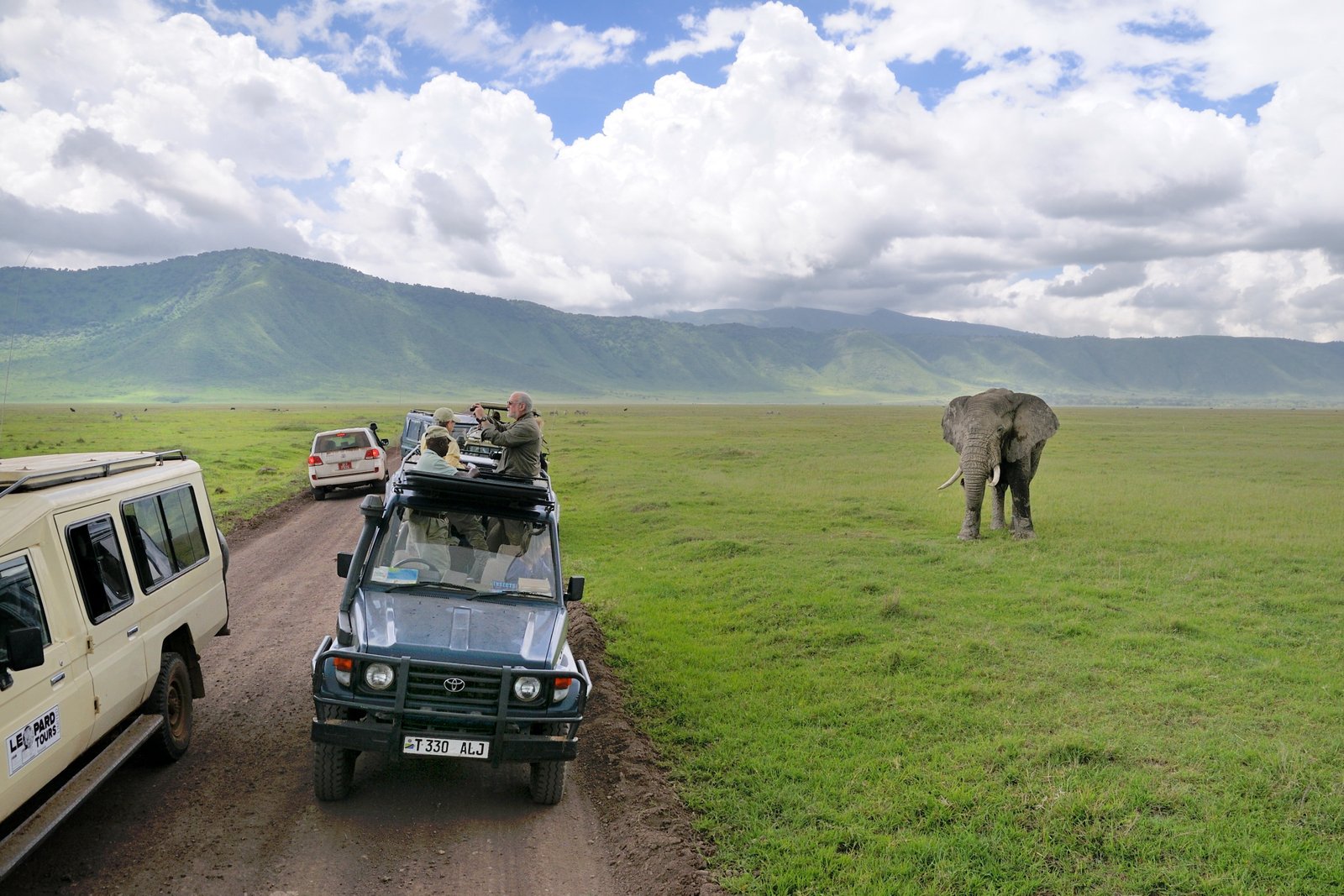
The Serengeti is famous for its vast plains and annual wildlife migration. Ngorongoro attracts visitors to its extraordinary volcanic crater, while Tarangire is associated with elephants and baobab landscapes.
These destinations remain central to the country's tourism industry.
However, concentrating international visitor demand within a relatively small number of destinations can create seasonal congestion and uneven economic opportunities.
Diversification offers several potential benefits.
It can encourage visitors to explore additional regions, create opportunities for accommodation investment and expand employment in communities located near less-visited parks.
It can also provide travellers with more varied itineraries, including walking experiences, forest trekking, boat excursions and specialised wildlife photography.
The challenge is to develop these experiences without undermining the environmental qualities that make remote parks attractive.
Nyerere National Park: Exploring Tanzania's great river wilderness
Nyerere National Park is among the most important destinations in Tanzania's southern safari circuit.
Established as a national park in 2019 from part of the former Selous Game Reserve, it covers a vast landscape of woodlands, grasslands, wetlands and river systems.
The Rufiji River is one of its defining natural features.
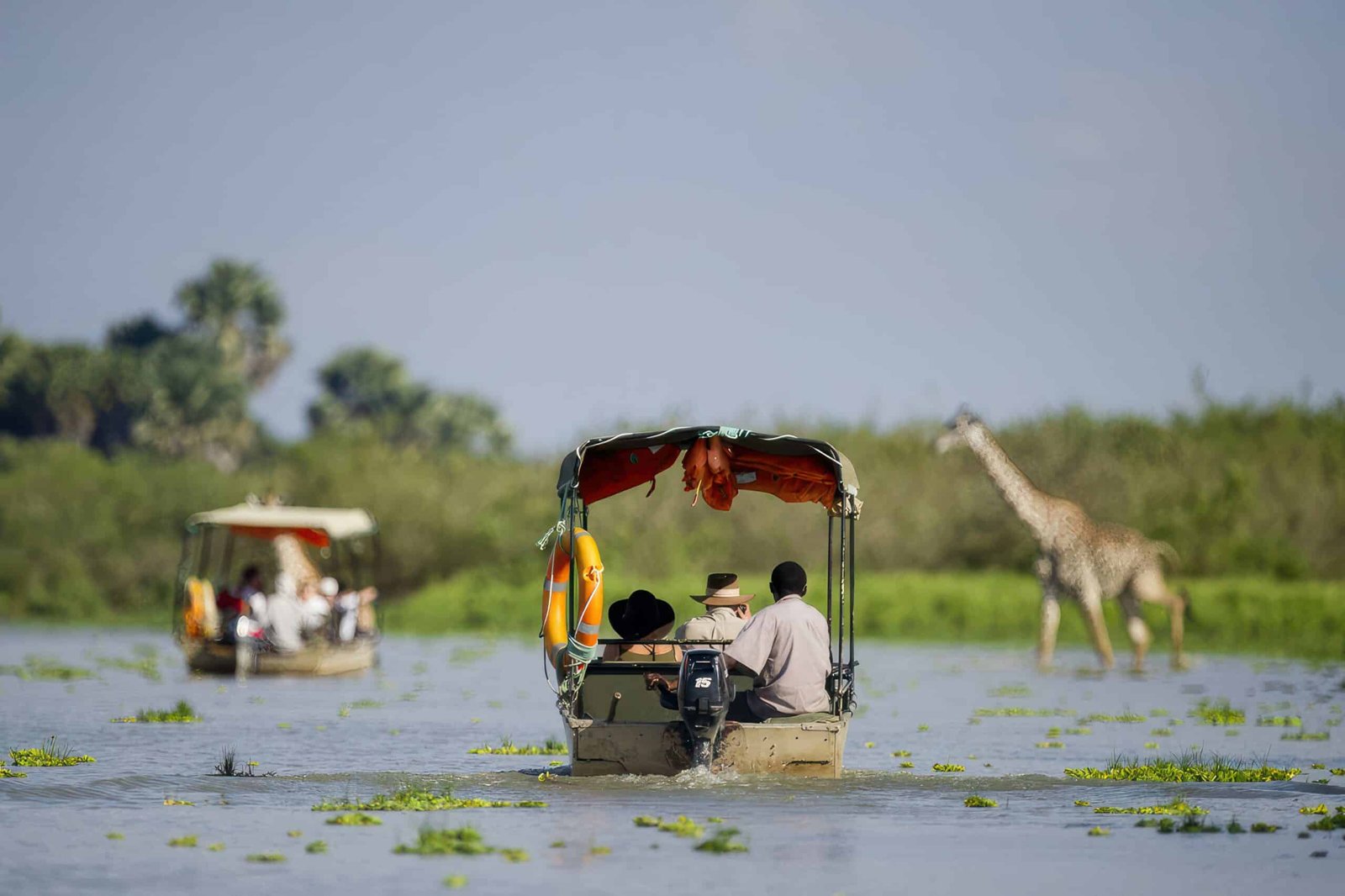
Unlike many northern Tanzania safari destinations, Nyerere offers opportunities for authorised boat excursions, allowing visitors to observe river environments from a different perspective.
Depending on conditions, travellers may encounter hippos, crocodiles, elephants, buffaloes and numerous bird species.
The park also supports lions, leopards, giraffes, wild dogs and other wildlife.
Nyerere is particularly attractive to visitors seeking a combination of conventional game drives and river-based experiences.
Its proximity to Dar es Salaam, relative to Tanzania's more remote western parks, also creates opportunities for shorter safari extensions.
However, road travel can be lengthy, and flight schedules vary. Visitors should confirm access arrangements and seasonal conditions before booking.
Ruaha National Park: A wilderness of elephants, predators and baobabs
Ruaha National Park is one of Tanzania's most distinctive wildlife destinations.
Its landscapes combine rocky hills, river valleys, open grasslands and woodland habitats.
The Great Ruaha River and its seasonal tributaries are important features of the ecosystem.
During drier periods, wildlife may concentrate around available water sources, creating rewarding viewing opportunities.
Ruaha supports elephants, lions, leopards, buffaloes, giraffes and several antelope species.
The park is also associated with African wild dogs, although sightings are unpredictable.
For wildlife photographers, Ruaha offers a compelling combination of dramatic landscapes and large mammals.
For travellers seeking a less conventional safari, the park provides opportunities to explore a large protected landscape without the same visitor concentrations associated with some northern destinations.
Its remoteness requires careful planning, particularly for transport, accommodation and medical contingencies.
Katavi National Park: One of Tanzania's great remote safari experiences
Katavi National Park is among Tanzania's least-visited major wildlife destinations.
Located in the country's west, the park protects extensive floodplains, woodlands and seasonal wetlands.
During the dry season, wildlife may concentrate around remaining water sources.
Katavi is particularly associated with large buffalo herds, elephants, hippos and predators.
Its appeal lies partly in the scale and relative isolation of the landscape.
Visitors who prioritise remote wilderness over extensive luxury infrastructure may find Katavi especially rewarding.
However, the park's remoteness also creates practical challenges.
Flights may operate only on limited schedules, road journeys can be demanding and accommodation choices are comparatively restricted.
Katavi is therefore best suited to travellers who plan well in advance and are comfortable with remote travel conditions.
Gombe: Following the legacy of chimpanzee research
Gombe National Park offers a completely different wildlife experience.
Situated along the eastern shore of Lake Tanganyika, the park is internationally associated with chimpanzee research pioneered by Jane Goodall.
Its forested hills provide habitat for chimpanzees and other primates.
Visitors can participate in authorised chimpanzee tracking experiences accompanied by park guides.
Unlike a savannah safari, chimpanzee tracking involves walking through forest terrain.
The experience depends on the animals' movements, weather conditions and the difficulty of the trails.
Gombe is also significant for its contribution to scientific understanding of chimpanzee behaviour.
For travellers interested in conservation history, primatology and forest ecosystems, it provides a distinctive educational experience.
Access commonly involves travel through Kigoma and onward transport by boat, subject to available services and conditions.
Mahale Mountains: Chimpanzees beside Lake Tanganyika
Mahale Mountains National Park combines forested mountains with the extraordinary setting of Lake Tanganyika.
The park is internationally known for chimpanzee tracking.
Its landscapes include tropical forest, mountain slopes and lakeshore environments.
Mahale appeals to visitors seeking a highly immersive wildlife experience.
Travellers may spend several days exploring forest trails and observing the natural environment, with chimpanzee encounters conducted under conservation rules.
The lakeside setting also creates opportunities for relaxation between forest activities.
However, Mahale is not an easy destination to reach.
Access generally requires carefully coordinated flights and boat transfers, and travel conditions can vary seasonally.
For travellers seeking a remote and exclusive experience, that logistical complexity may be part of the destination's appeal.
Rubondo Island: Forest wildlife in Lake Victoria
Rubondo Island National Park offers another unusual wildlife destination.
Situated in Lake Victoria, the park protects island forests, wetlands and surrounding aquatic environments.
Its wildlife includes birds, antelope and introduced chimpanzee populations.
Rubondo is particularly attractive to travellers interested in birdwatching, forest exploration and the ecological character of Lake Victoria.
Depending on current park regulations and available operators, visitors may be able to participate in guided nature activities and authorised lake excursions.
However, specific activities, including chimpanzee-related experiences, should be confirmed before booking rather than assumed to be available.
How the new investment strategy could change Tanzania's tourism industry
Developing less-visited national parks could strengthen Tanzania's tourism economy in several ways.
Additional accommodation and transport services may generate employment and business opportunities.
Longer itineraries can increase visitor spending on guiding, transport, hospitality and local supplies.
Diversification may also reduce pressure on heavily visited destinations.
However, new investment must be carefully managed.
Remote ecosystems can be vulnerable to poorly planned roads, waste disposal, water use and construction.
Tourism authorities and investors must balance commercial opportunities with habitat protection.
For travellers, the most attractive outcome would be improved access to remote destinations without sacrificing their natural character.
Suggested Tanzania safari itineraries beyond the northern circuit
Southern Tanzania wilderness — seven days: Combine Nyerere National Park with Ruaha, using confirmed domestic flight connections or suitable overland arrangements.
Western Tanzania primate journey — eight to ten days: Explore Gombe and Mahale Mountains, allowing sufficient time for Kigoma connections and boat transfers.
Remote Tanzania expedition — ten to twelve days: Combine Katavi and Mahale for wildlife viewing, chimpanzee tracking and Lake Tanganyika landscapes.
Lake Victoria nature escape — four to six days: Explore Rubondo Island and selected mainland attractions, depending on transport and accommodation availability.
These are illustrative itineraries. Their feasibility depends on current park access, flight schedules, seasonal conditions and accommodation operations.
A new opportunity to discover Tanzania differently
Tanzania's tourism diversification plans offer an opportunity to introduce international travellers to destinations that receive less attention than the Serengeti and Ngorongoro.
The country's southern and western parks provide distinctive experiences, from river safaris and remote predator habitats to chimpanzee forests and island ecosystems.
For visitors, exploring these destinations can reveal a more varied picture of Tanzania's natural heritage.
For the tourism industry, successful diversification could support wider economic participation and strengthen conservation financing.
The long-term challenge will be to ensure that new tourism investment protects the wilderness qualities that make these destinations exceptional.