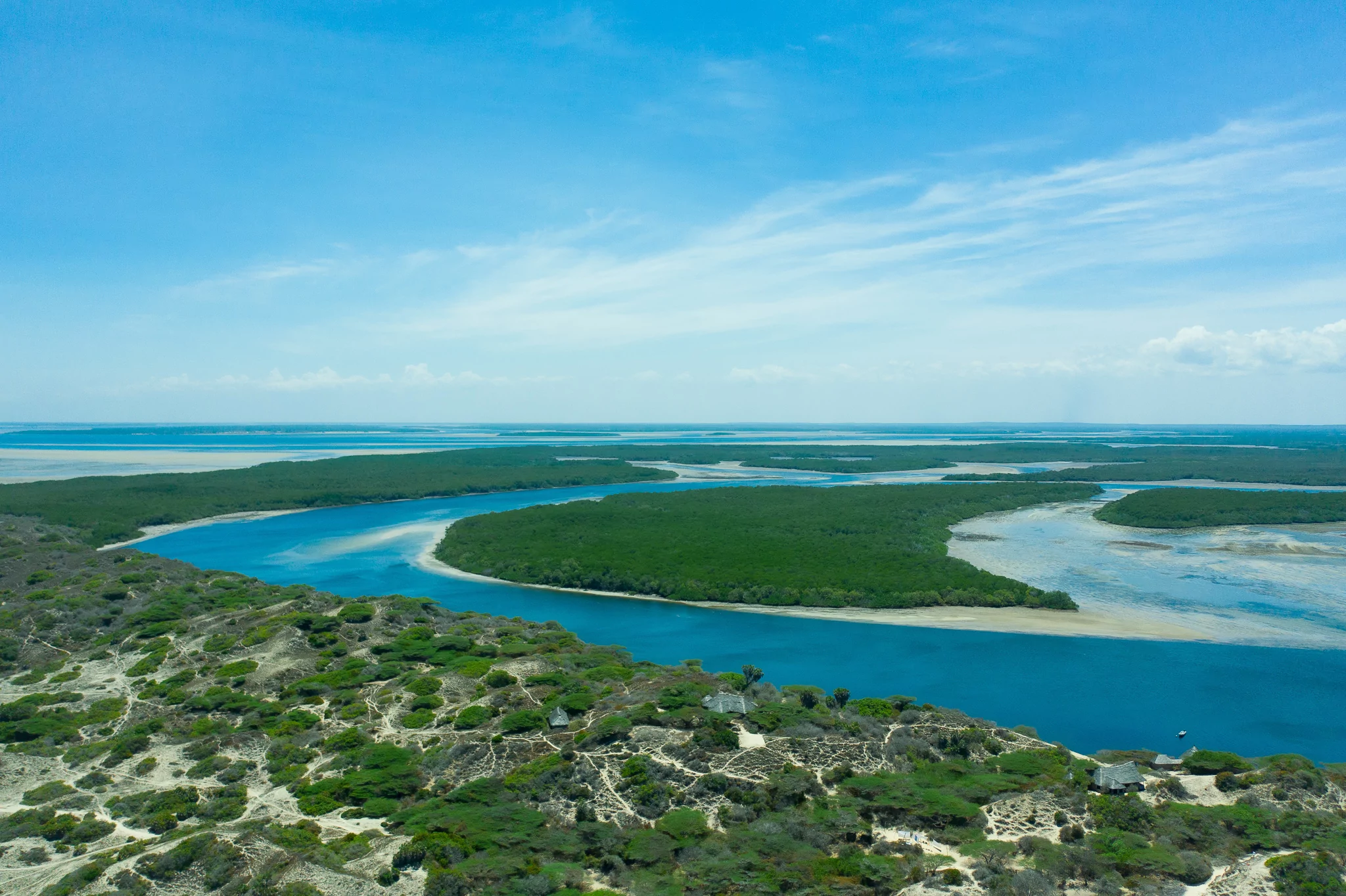
Beyond Kenya’s Beaches: Kiwayu Island and the Importance of Community-Led Conservation
Kiwayu Island has extraordinary coastal heritage, but a longstanding land-rights dispute raises questions about how conservation and tourism can support local communities.
Kenya's northern coastline has a quieter character than many established beach destinations. Around Lamu, islands, traditional maritime culture and protected marine habitats reveal a different side of the Indian Ocean.
Kiwayu Island, located within the Kiunga Marine National Reserve, is part of that landscape. A Daily Nation feature published on 31 October 2026 brought renewed attention to a land dispute dating back to the reserve's establishment in 1979.
Community members interviewed for the report say the conservation boundary affected their ancestral land rights and traditional access to resources. The dispute is longstanding and should not be presented as a new court ruling or a recent closure of the island.
Why does this matter to travellers?
Marine tourism depends not only on beautiful beaches and healthy reefs but also on the people who live alongside them. Local fishing knowledge, Swahili coastal traditions and community relationships are part of the destination's identity.
Responsible travel asks practical questions: Who provides the guiding? Are local people involved in planning visitor experiences? Do tourism activities respect land access, community consent and protected-area rules?
A visitor cannot resolve historical land disputes simply by buying a holiday. But selecting responsible operators and seeking genuine local participation can help avoid treating communities as scenery in their own home.
Planning a northern Kenya coast experience
The wider Lamu region offers cultural heritage, dhow traditions and opportunities to appreciate marine environments. Remote destinations require careful checks of security advice, access arrangements, accommodation availability and authorised guides.
Kiwayu itself is not a destination to approach casually without confirming local conditions and permissions. A thoughtful itinerary should prioritise visitor safety and respect for residents.
The attraction of Kenya's far northern coast
For travellers familiar with Diani, Watamu or the busy beaches around Mombasa, the Lamu archipelago and the islands farther north offer a different picture of the Kenyan coast. Here the appeal can lie in Swahili history, fishing traditions, coastal ecosystems and a quieter setting. Kiwayu sits within a particularly sensitive marine and community landscape, which means it should never be marketed as an empty paradise waiting to be developed.
The land-rights questions raised by residents are central to understanding the destination. Tourism and conservation can create jobs and protect habitats, but they can also impose costs when local access, housing or traditional livelihoods are affected. A responsible visitor should be interested not only in the beauty of the coast but in how people who live there participate in decisions about its use.
What responsible coastal tourism looks like
Travellers considering an excursion in the wider Lamu region should choose licensed transport and guides who understand marine conditions and the local environment. Ask how the activity engages residents, whether access permissions are in place and what the operator does to avoid disturbing sensitive habitats. Where cultural or community visits are offered, local hosts should set the terms, and guests should obtain consent before photographing people or private spaces.
The marine environment deserves equal care. Boat travel should comply with safety requirements, and wildlife encounters should be managed without chasing, feeding or crowding animals. Responsible snorkelling practices, careful waste management and avoiding damage to coral or seagrass are simple ways visitors can reduce their impact.
Practicalities of visiting northern Kenya
The northern coastline is not interchangeable with a conventional beach-resort holiday. Access can involve multiple transport stages, and local security advice may change. Before booking, travellers should consult current government advisories, confirm reputable local providers and understand evacuation and emergency arrangements. Boats and flights can also be affected by weather, so allow a contingency day where necessary.
Visitors who prefer a comfortable introduction to Swahili coastal heritage may choose an established base in the Lamu area and arrange appropriate guided excursions. More remote travel should be considered only when reliable logistics, permissions and current local conditions have been checked. Luxury in such places is partly the luxury of time, quiet and genuine understanding—not simply the absence of other tourists.
Why this story belongs in a travel publication
Stories of conservation disputes can be uncomfortable, but they are relevant to anyone interested in meaningful travel. Rather than promising access to a contested site, an informative destination article can help travellers make better choices. It can also remind operators that a sustainable tourism product must work for the communities and natural environments on which it depends.
Across East Africa, the best journeys combine natural beauty with deeper understanding. Zamia Africa's approach to travel planning emphasises thoughtful, private experiences and meaningful encounters. Discover more with us.