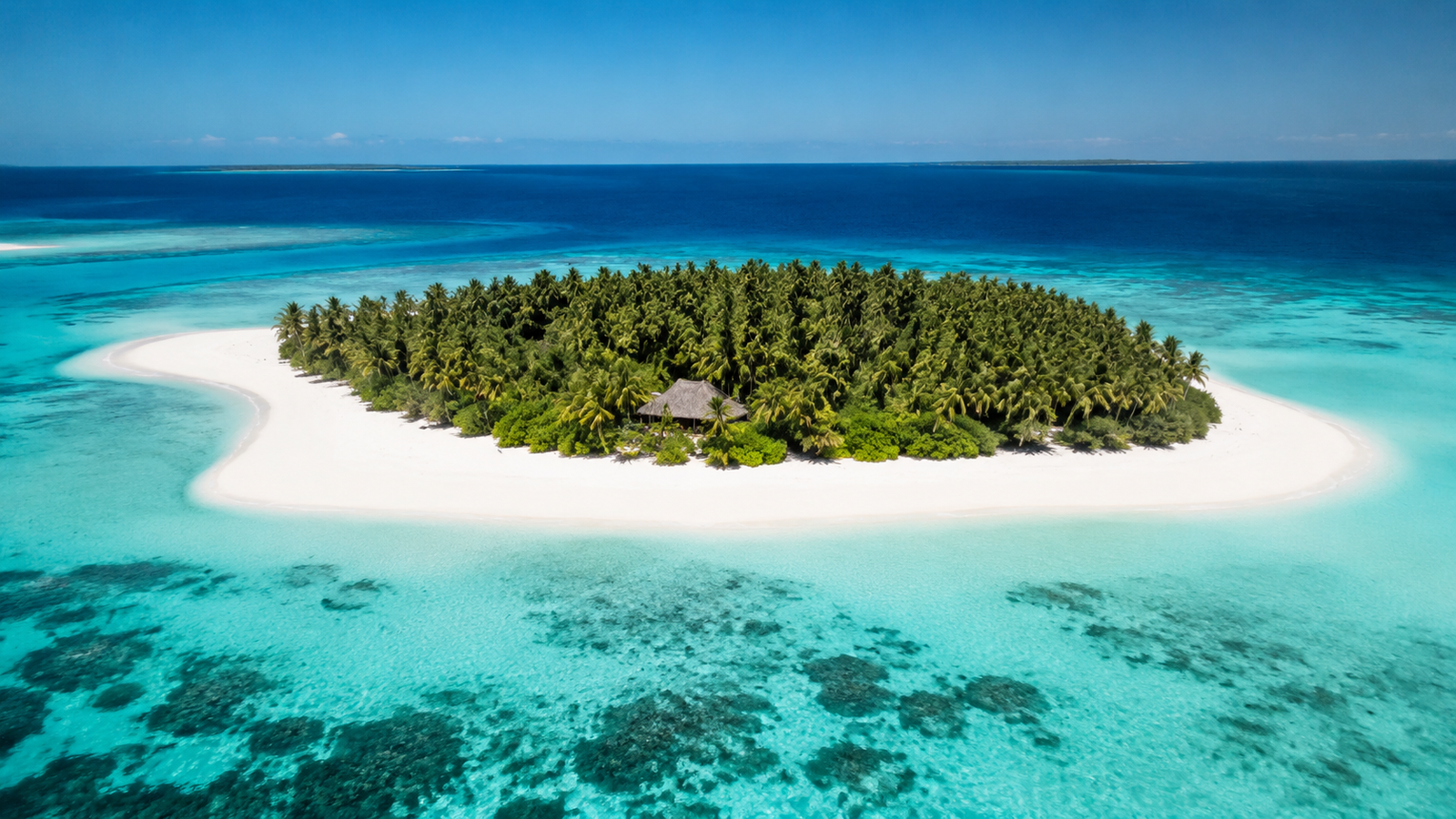
10 Popular Islands in Tanzania Every Traveller Should Visit
Discover ten of Tanzania’s most remarkable islands, from Zanzibar and Mafia to Rubondo and Kilwa Kisiwani, with guidance on beaches, diving, wildlife, culture and the best island for your journey.
Tanzania’s islands offer far more than warm water and white-sand beaches. Across the Indian Ocean and Lake Victoria, travellers can encounter Swahili history, coral reefs, whale sharks, rainforest wildlife, spice farms, ancient ruins and some of East Africa’s most private retreats. Zanzibar remains the country’s best-known island destination, but it is only the beginning. Mafia Island attracts serious divers and marine-life enthusiasts. Pemba rewards travellers looking for seclusion. Kilwa Kisiwani preserves the remains of one of the great cities of the medieval Swahili Coast. Rubondo offers a completely different island experience in the wild waters of Lake Victoria.
Others, including Bongoyo, Mbudya and Changuu, can be visited as day trips, while Mnemba and Chumbe present two very different visions of private-island travel. The best Tanzanian island therefore depends on what you want from the journey: culture, relaxation, diving, conservation, history, wildlife or complete privacy.
Tanzania’s islands at a glance
| Zanzibar, primarily Unguja | Beaches, culture, food and first-time visitors | 4–7 nights |
| Mafia Island | Diving, whale sharks and quiet coastal travel | 4–6 nights |
| Pemba Island | Seclusion, diving and slow travel | 4–6 nights |
| Bongoyo Island | An easy beach escape from Dar es Salaam | Full day |
| Kilwa Kisiwani | Swahili history and archaeology | 1–2 days in Kilwa |
| Mbudya Island | Swimming, seafood and relaxed day trips | Full day |
| Rubondo Island | Wildlife, forest and Lake Victoria adventure | 2–4 nights |
| Mnemba Island | Exclusive romance and luxury | 3–5 nights |
| Chumbe Island | Conservation and low-impact travel | Day trip or 2–3 nights |
| Changuu Island | Giant tortoises and a short Stone Town excursion | Half day |
1. Zanzibar: Tanzania’s most complete island destination
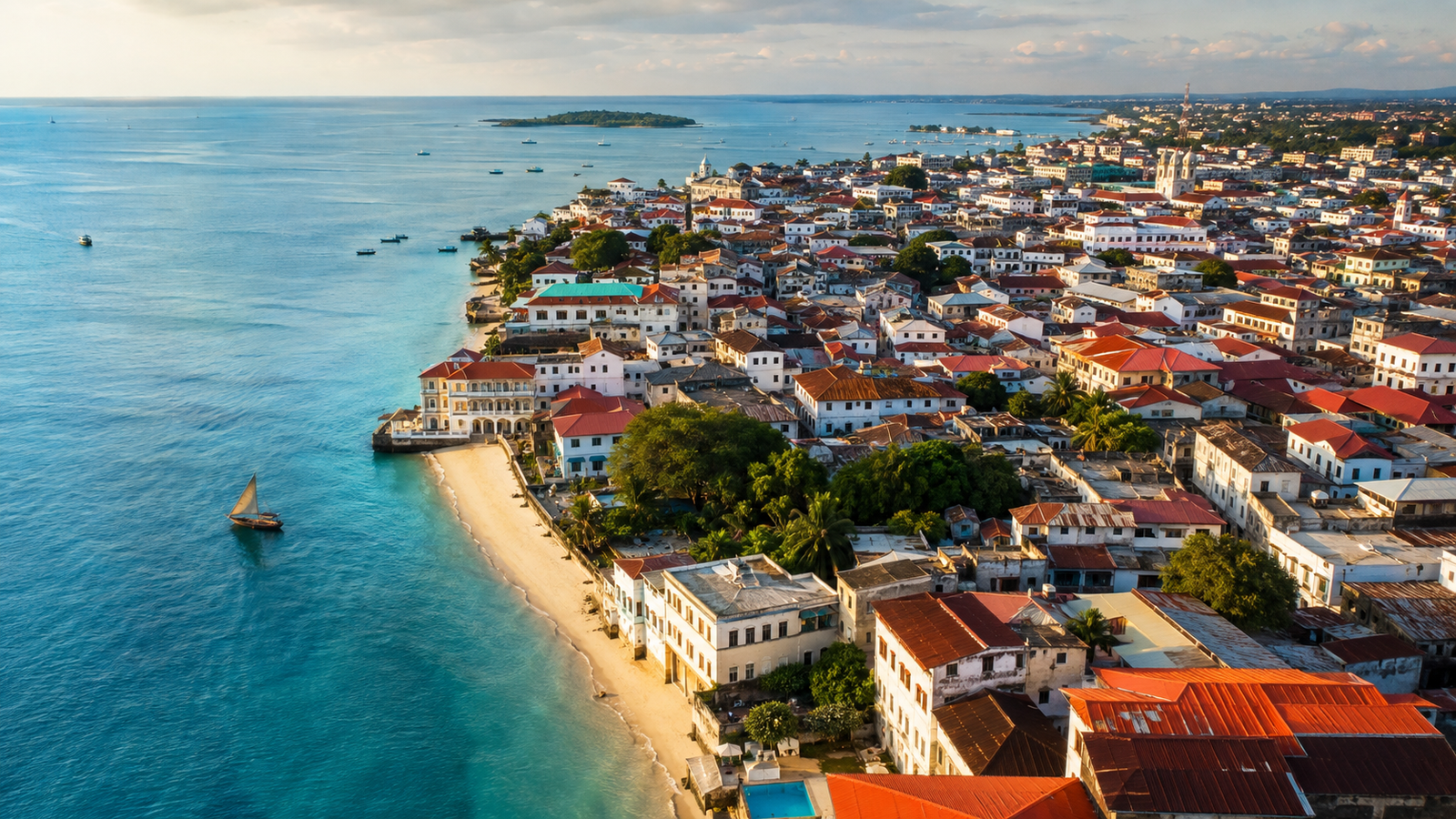
When most travellers speak about “Zanzibar Island,” they usually mean Unguja, the largest and most visited island in the Zanzibar Archipelago. It is the strongest all-round choice for travellers who want beaches, history, food, culture and comfortable accommodation in one destination.
Zanzibar’s coastline changes character as you travel around the island. Nungwi and Kendwa in the north are popular for swimming, sunsets and resort stays. Matemwe and Pongwe offer a quieter atmosphere, while Paje and Jambiani attract kitesurfers, younger travellers and visitors interested in village life.
The island’s cultural centre is Stone Town. Its narrow passages, carved wooden doors, mosques, former palaces and merchant buildings reflect centuries of contact between African, Arab, Indian and European cultures. UNESCO describes Stone Town as an outstanding example of an East African Swahili trading town whose urban fabric remains largely intact.
Travellers should not treat Stone Town as a short photo stop before heading to the beach. Spending at least one or two nights here allows time to explore its architecture, food markets, waterfront and complex history with a knowledgeable local guide. Beyond Stone Town, visitors can tour spice farms, sail on traditional dhows, explore Jozani Forest, visit coastal villages or spend unhurried days beside the Indian Ocean.
Why visit Zanzibar:
- It combines beach relaxation with meaningful cultural experiences.
- It offers Tanzania’s widest selection of island accommodation.
- It works well after a Serengeti, Ngorongoro or southern Tanzania safari.
- It suits couples, families, honeymooners and first-time visitors.
- It has strong air connections with mainland Tanzania and regional hubs.
Best for: Travellers who want variety, comfort and a balance between exploration and relaxation.
Consider another island if: Your priority is extreme seclusion, uncrowded diving or a deliberately remote experience.
2. Mafia Island: Tanzania’s marine-life sanctuary
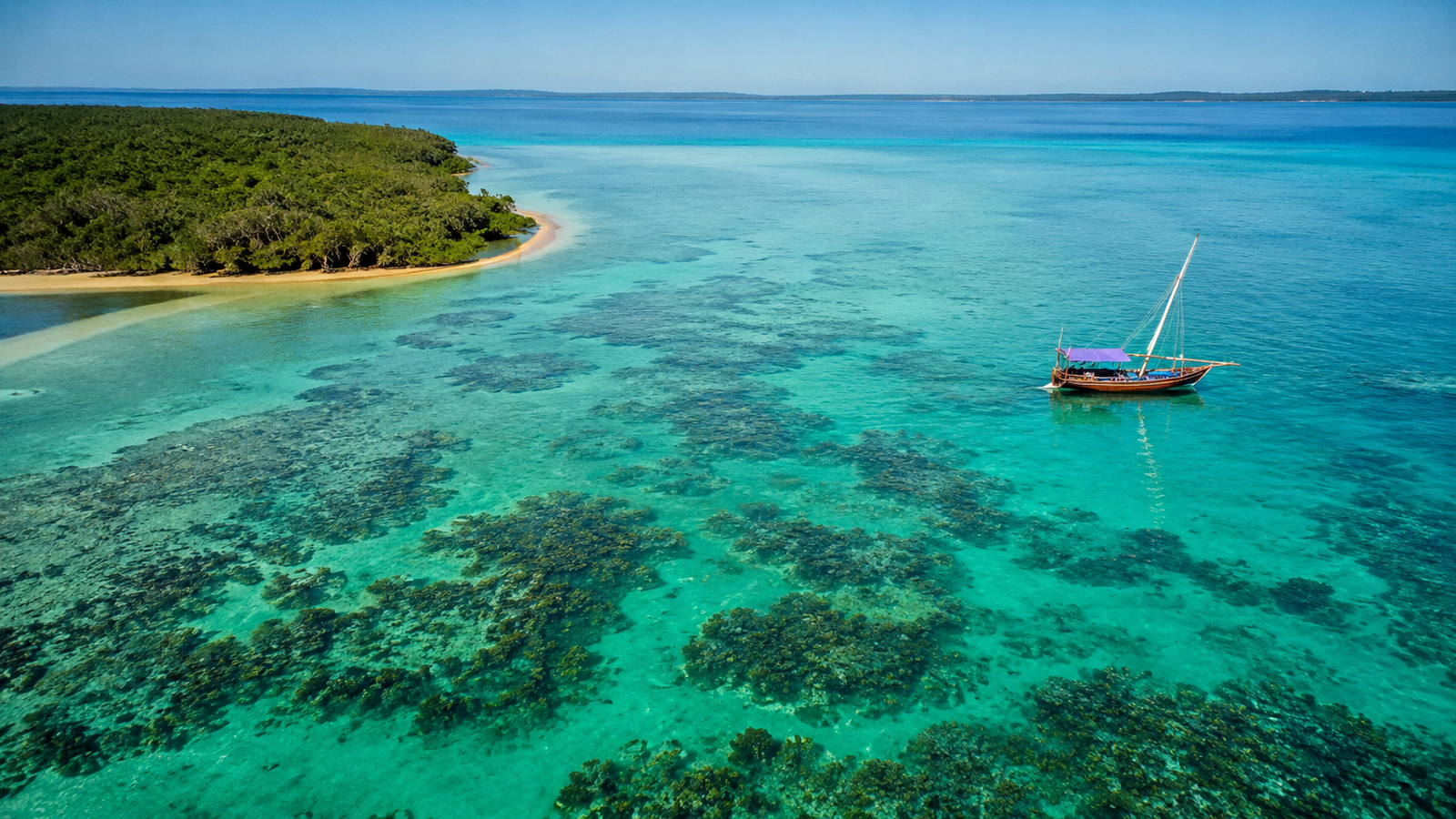
Despite its dramatic name, Mafia Island is a peaceful, slow-moving destination south of Dar es Salaam. It is one of Tanzania’s strongest choices for diving, snorkelling and marine conservation.
The Mafia Island Marine Park protects coral reefs, mangroves, seagrass beds and the waters surrounding several smaller islands. Established in 1995, it was Tanzania’s first marine park and covers much of the southern part of the archipelago.
Chole Bay is particularly valued for its sheltered waters and varied dive sites. Depending on the site and conditions, divers may encounter coral gardens, reef fish, rays, turtles and larger marine species.
Mafia is also known for seasonal whale-shark encounters, generally associated with the waters around Kilindoni. Sightings are never guaranteed, and the season can shift with plankton concentrations and sea conditions. Travellers should choose responsible operators who limit disturbance and avoid chasing, touching or crowding the animals.
Life on Mafia is quieter than on Zanzibar. Roads and services are more limited, nightlife is minimal and the tides influence many daily activities. That is precisely why it appeals to travellers who want nature to determine the pace of their holiday.
Why visit Mafia Island:
- It offers some of Tanzania’s most rewarding diving and snorkelling.
- It provides seasonal opportunities to observe whale sharks.
- Its atmosphere is quiet, authentic and relatively undeveloped.
- It can be paired effectively with Nyerere National Park or southern Tanzania.
- Its marine-park setting adds a strong conservation dimension.
Best for: Divers, marine photographers, conservation-minded travellers and couples who value tranquillity.
Consider another island if: You want extensive nightlife, shopping or a large selection of conventional resorts.
3. Pemba Island: the green island for travellers seeking space
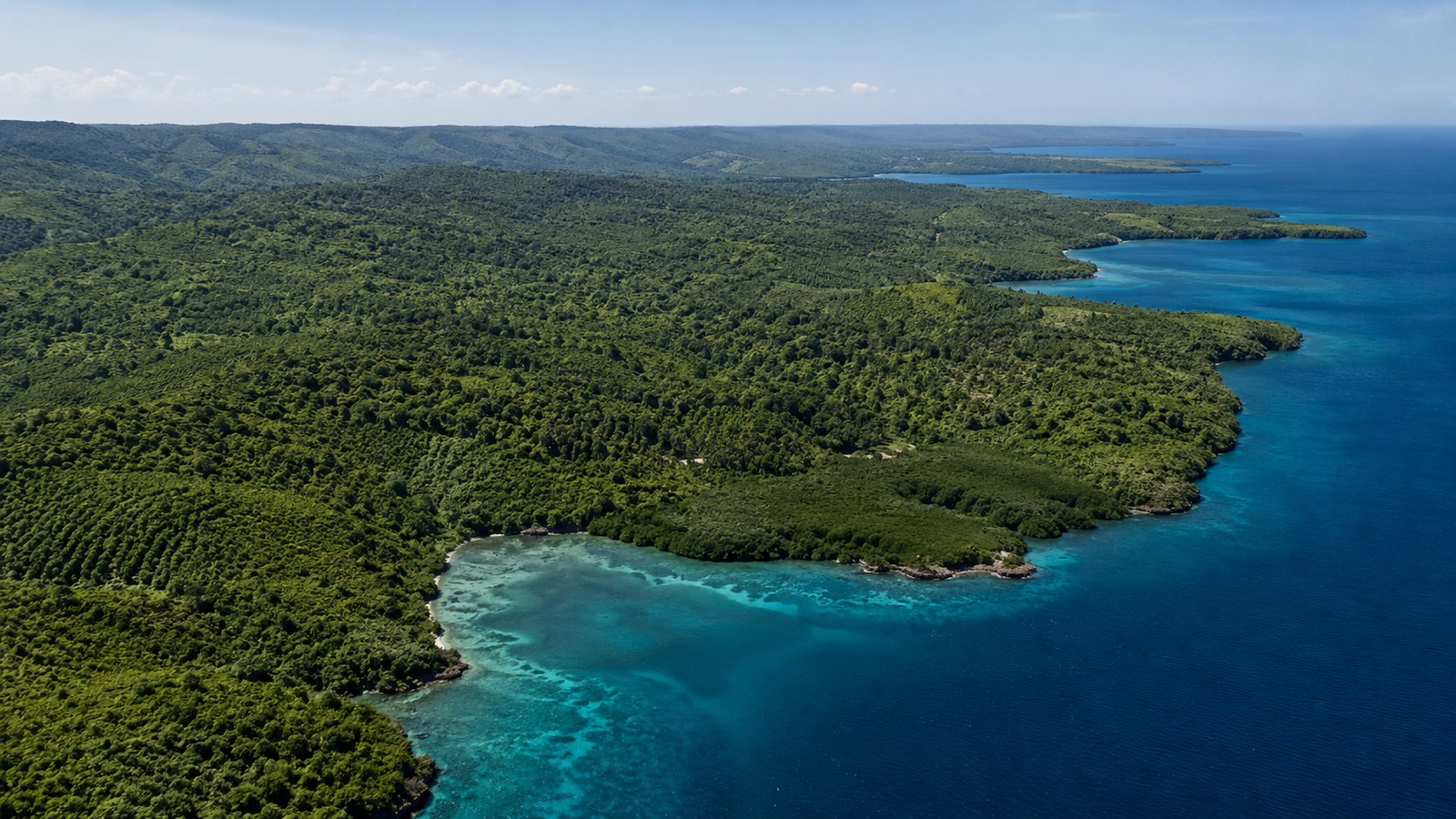
Pemba lies north of Unguja and forms part of the Zanzibar Archipelago, but its character is distinctly different. It is greener, quieter and less extensively developed for tourism.
The island’s landscape includes clove plantations, forested hills, mangroves, small farming communities and a deeply indented coastline. Offshore channels and steep underwater walls make Pemba particularly attractive to experienced divers, although sea conditions and site difficulty vary.
Pemba is not a destination to rush. Its appeal lies in quiet mornings, locally guided village experiences, boat journeys through mangroves and long stretches of coastline without major crowds. Accommodation is more limited than on Unguja, which makes advance planning important.
The island is particularly well suited to repeat visitors to Tanzania who have already experienced Zanzibar’s better-known attractions and now want a slower, more private chapter.
Why visit Pemba Island:
- It offers greater seclusion than the principal resort areas of Zanzibar.
- Its clove-growing landscape reveals another side of the archipelago.
- It attracts experienced divers looking for less crowded sites.
- It supports slow, nature-led and culturally respectful travel.
- It works well for private honeymoons and quiet restorative journeys.
Best for: Repeat visitors, experienced divers, couples and travellers seeking genuine stillness.
Consider another island if: You prefer abundant restaurants, lively entertainment and easy independent sightseeing.
4. Bongoyo Island: a tropical escape from Dar es Salaam
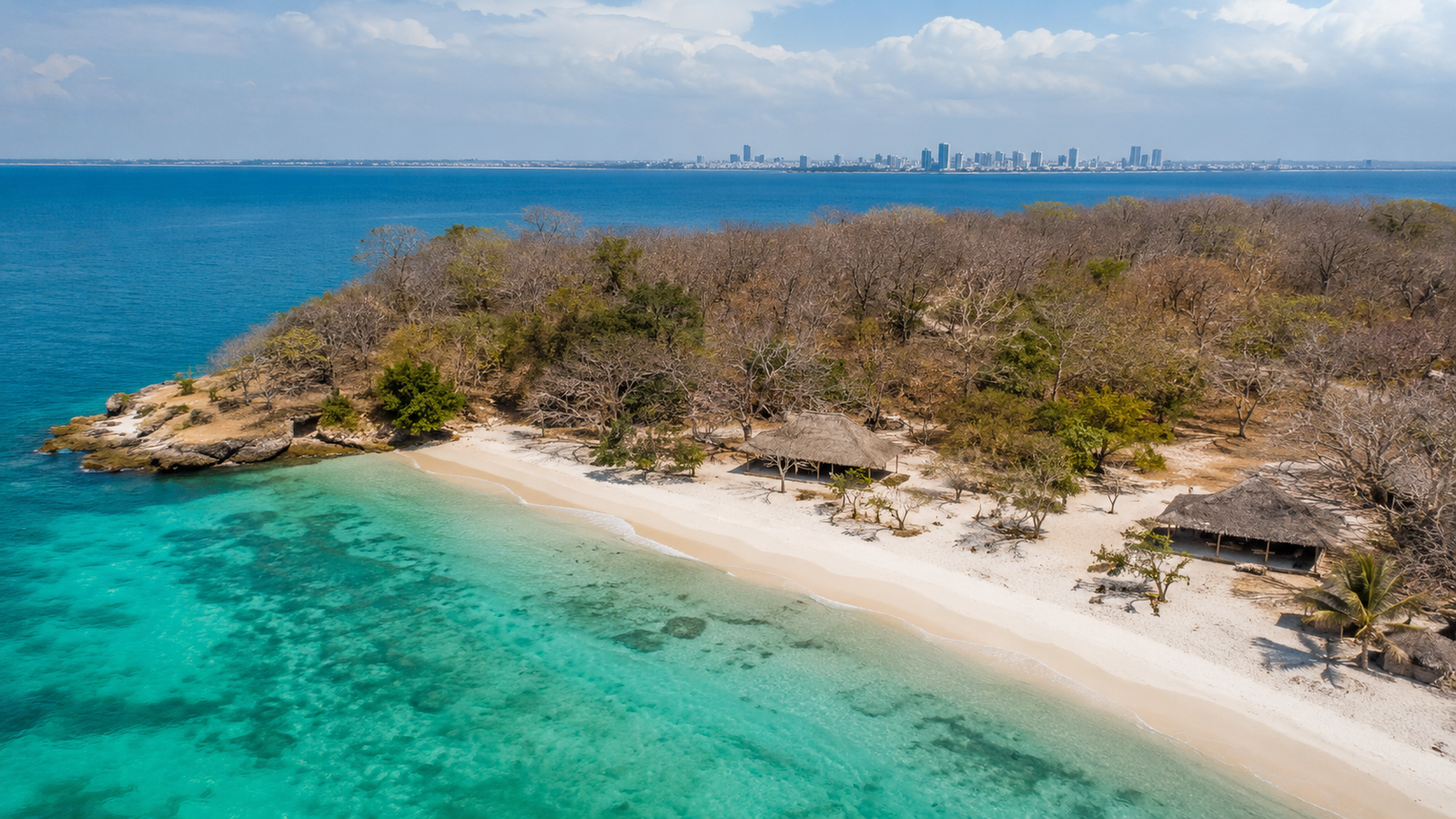
You do not need to travel far from Tanzania’s largest city to find an island beach. Bongoyo is an uninhabited marine-reserve island off the Msasani Peninsula and one of the most accessible island excursions from Dar es Salaam. Boats commonly depart from the Slipway area, with the crossing taking approximately 30 minutes under normal conditions. Bongoyo is the most frequently visited island in the Dar es Salaam Marine Reserves System.
The island is popular for swimming, sunbathing, snorkelling and simple seafood lunches. Facilities are modest, which keeps the experience informal. Visitors should carry sun protection, water, suitable footwear and cash while confirming boat-return times before departure. Bongoyo works particularly well for business travellers with a free day, Dar es Salaam residents seeking a weekend escape or international guests resting before an onward flight or safari.
Why visit Bongoyo Island:
- It is easily accessible from central Dar es Salaam.
- It offers a simple introduction to the city’s marine environment.
- It requires no domestic flight or multi-day itinerary.
- It is suitable for an easy beach day between longer journeys.
Best for: Short-stay visitors, families and travellers with one free day in Dar es Salaam.
Consider another island if: You want luxury accommodation, extensive reefs or complete solitude.
5. Kilwa Kisiwani: an island that changed Indian Ocean history
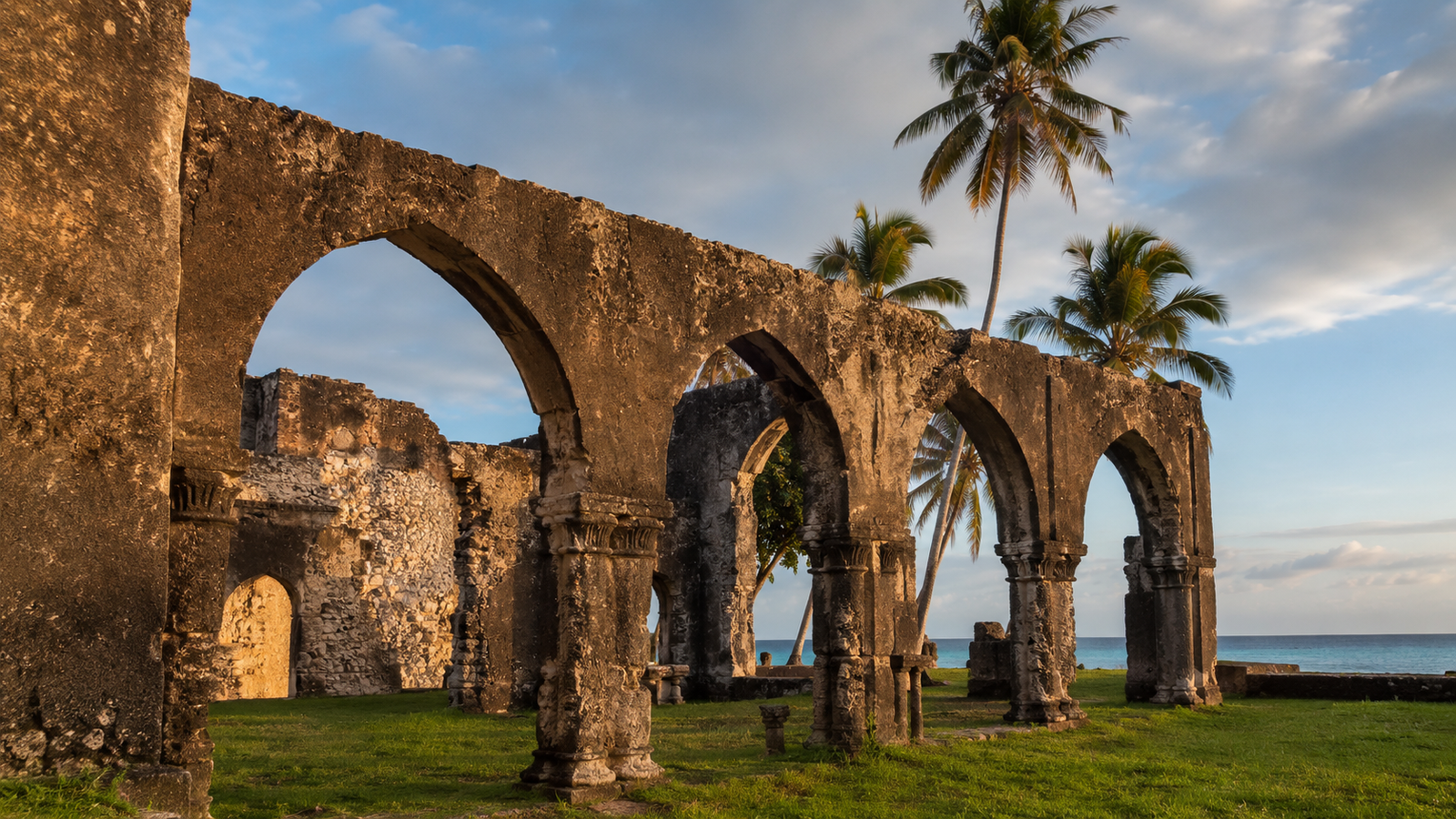
Kilwa Kisiwani is not primarily a beach destination. It is one of Tanzania’s most important historical islands and an essential stop for travellers interested in the Swahili Coast, archaeology and the Indian Ocean trading world.
Between the medieval period and the early modern era, Kilwa developed into a powerful commercial centre connected to trade networks linking the African interior with Arabia, Persia, India and beyond. Gold, ivory and other goods passed through its port, supporting an influential urban civilisation.
Today, visitors can explore the remains of mosques, palaces, houses, tombs and defensive structures. The Great Mosque and Husuni Kubwa palace complex reveal the scale and sophistication of the settlement.
Together with the ruins of Songo Mnara, Kilwa Kisiwani is recognised as a UNESCO World Heritage Site. Its surviving structures provide important evidence of the development of Swahili culture and Indian Ocean commerce.
A visit normally begins from Kilwa Masoko on the mainland and requires local arrangements, including transport and site access. Travelling with a knowledgeable guide transforms the ruins from weathered stone into a vivid account of East African power, architecture and global trade.
Why visit Kilwa Kisiwani:
- It reveals the historical importance of the Swahili Coast.
- It offers one of Tanzania’s most rewarding archaeological experiences.
- It remains far less visited than Stone Town.
- It appeals to travellers who want intellectual and cultural depth.
- It can anchor a wider southern Tanzania journey.
Best for: History enthusiasts, photographers, researchers and culturally curious travellers.
Consider another island if: Your main priorities are resort facilities, swimming and beach entertainment.
6. Mbudya Island: an unhurried day beside the ocean
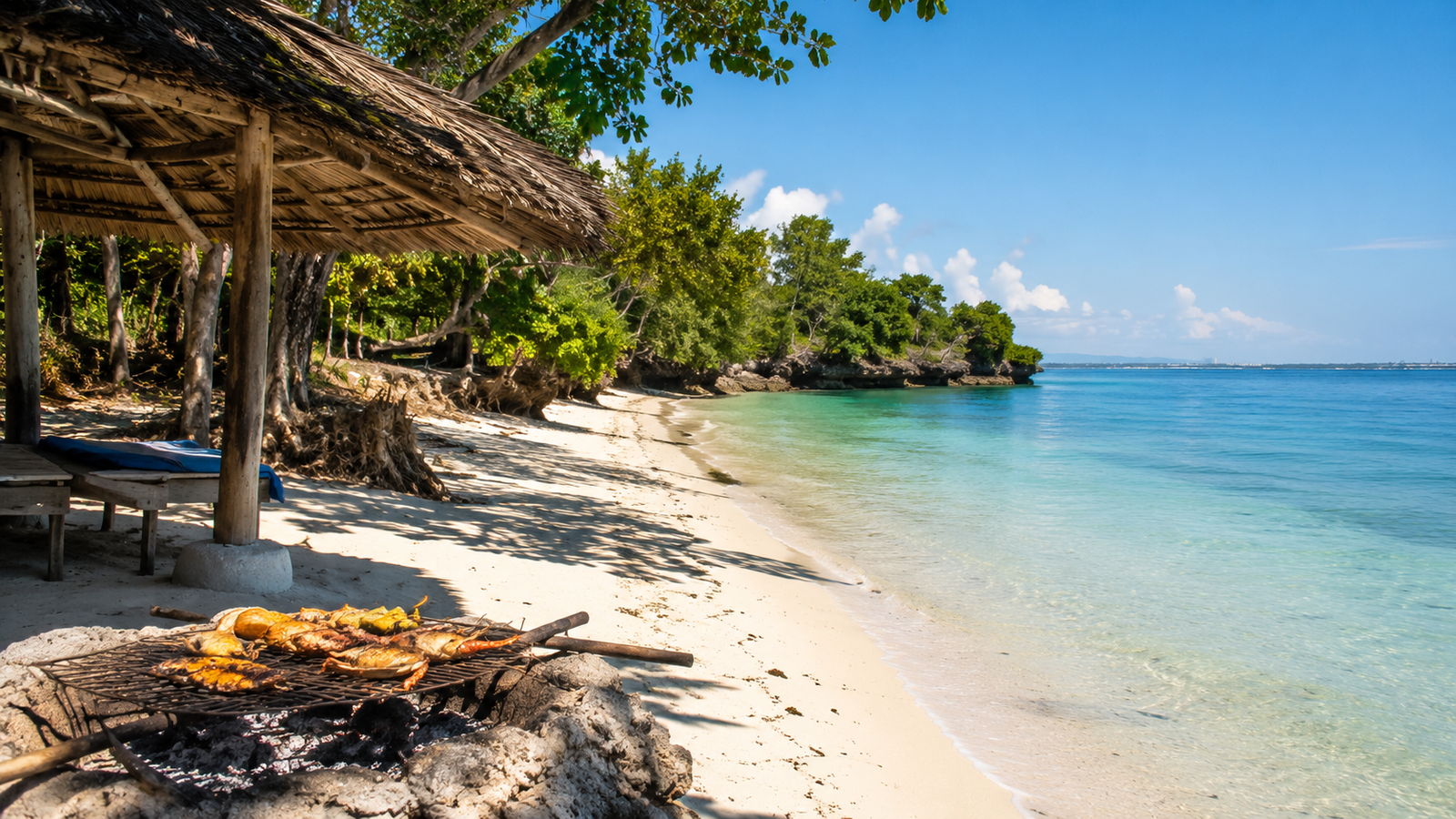
Mbudya is another protected, uninhabited island within the Dar es Salaam Marine Reserves System. It is reached by boat from the northern side of the city and offers a relaxed combination of beach time, swimming, snorkelling and freshly prepared seafood.
Compared with committing several days to Zanzibar or Mafia, Mbudya requires relatively little planning. It can turn an open day in Dar es Salaam into a genuine coastal experience.
Its appeal lies in simplicity rather than polish. Visitors can rest beneath a beach banda, walk along the shoreline or swim when tides and conditions are suitable. As with Bongoyo, facilities are limited and travellers should confirm current marine-reserve fees, boat arrangements, meal availability and departure points before travelling.
Why visit Mbudya Island:
- It offers an accessible day trip from Dar es Salaam.
- The atmosphere is informal and locally grounded.
- It is well suited to swimming, relaxation and seafood.
- It provides an easy coastal addition to a business or safari itinerary.
Best for: Travellers wanting a relaxed beach day without leaving Dar es Salaam for several nights.
Consider another island if: You need sophisticated facilities, guaranteed water activities or overnight accommodation.
7. Rubondo Island: an island safari on Lake Victoria
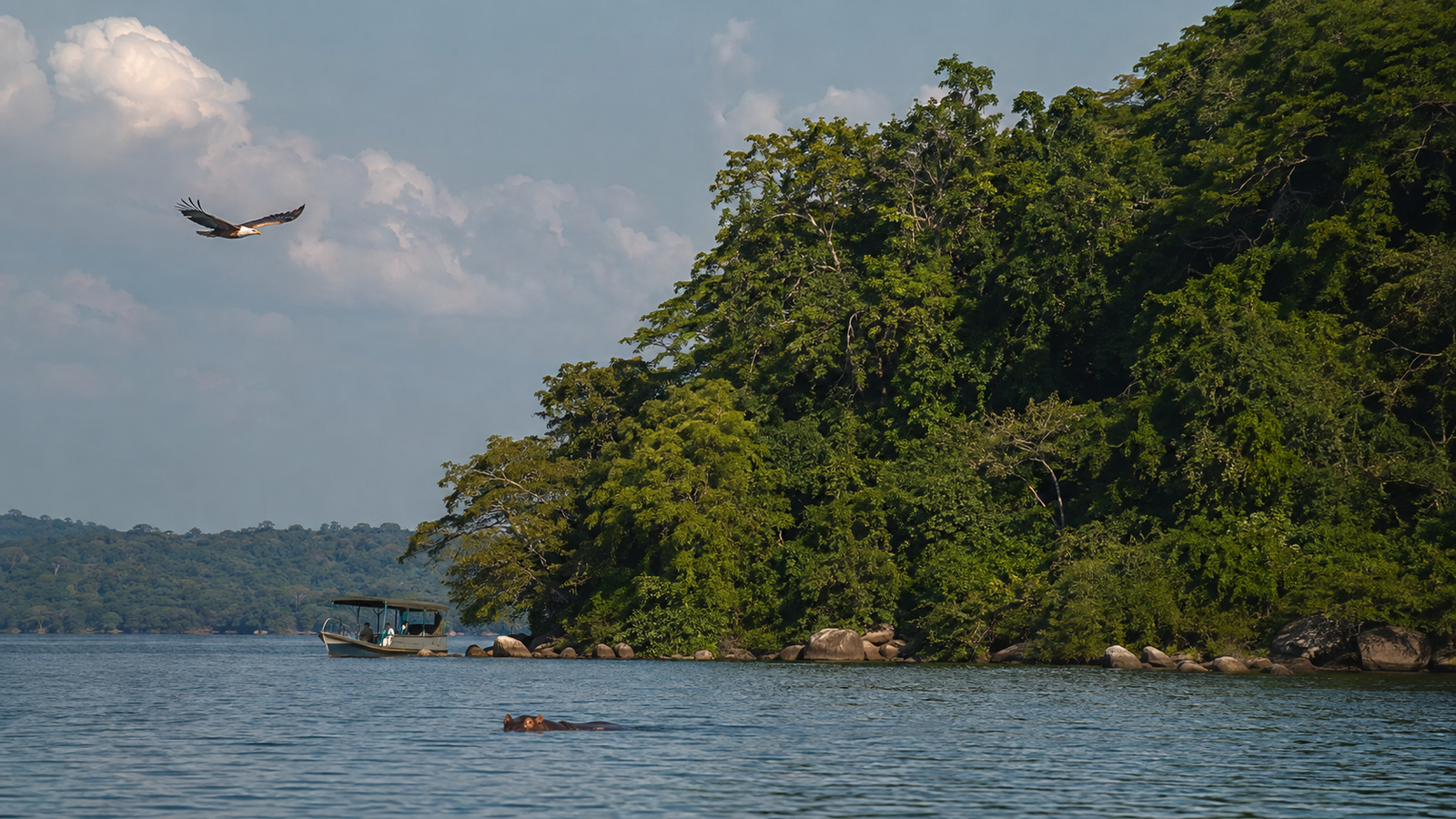
Rubondo proves that Tanzania’s island experiences are not limited to the Indian Ocean. Situated in the southwestern waters of Lake Victoria, Rubondo Island National Park offers forest, wildlife, birdlife and freshwater adventure. The island was officially gazetted as a national park in 1977 and provides important breeding habitat for migratory birds and fish, including tilapia and Nile perch. TANAPA also identifies chimpanzee habituation as part of the island’s wildlife experience, although sightings should never be treated as guaranteed.
Depending on current park operations and lodge arrangements, activities may include guided forest walks, birdwatching, boating, fishing excursions and wildlife observation.
Rubondo is best approached as a wilderness destination rather than a conventional beach holiday. Logistics require careful coordination, visitor numbers are low and the island rewards patience. Its isolation is part of the experience.
Why visit Rubondo Island:
- It combines an island setting with a genuine wildlife journey.
- It is one of Tanzania’s least conventional protected areas.
- It offers excellent opportunities for birding and forest exploration.
- It adds depth to a Lake Victoria or western Tanzania itinerary.
- It suits experienced safari travellers seeking something unusual.
Best for: Adventurous couples, birdwatchers, nature enthusiasts and repeat safari visitors.
Consider another island if: You want warm ocean swimming, coral reefs or a conventional tropical resort.
8. Mnemba Island: Tanzania’s exclusive private-island retreat
Mnemba is a small private island off Zanzibar’s northeast coast. It is internationally known for exclusive accommodation, barefoot luxury and romantic seclusion. The island itself is reserved for lodge guests. Travellers staying elsewhere on Zanzibar may book snorkelling or diving excursions in the surrounding marine area, but such trips should not be promoted as including unrestricted access to Mnemba’s beach. This distinction is important when setting expectations.
For overnight guests, Mnemba is designed around privacy, simplicity and personalised service. Its limited number of beach bandas makes it especially attractive for honeymoons, anniversaries and private celebrations. The surrounding waters support snorkelling, diving and other marine activities. A Mnemba stay is less about sightseeing and more about removing distractions. It is the kind of place where the itinerary becomes deliberately light.
Why visit Mnemba Island:
- It offers one of Tanzania’s most exclusive island stays.
- Privacy and personalised service define the experience.
- It is exceptionally well suited to romantic travel.
- It provides access to marine activities directly from an intimate retreat.
- It pairs naturally with a premium private safari.
Best for: Honeymooners, couples celebrating milestones and travellers prioritising exclusivity.
Consider another island if: You want village interaction, independent exploration or a broad selection of restaurants and hotels.
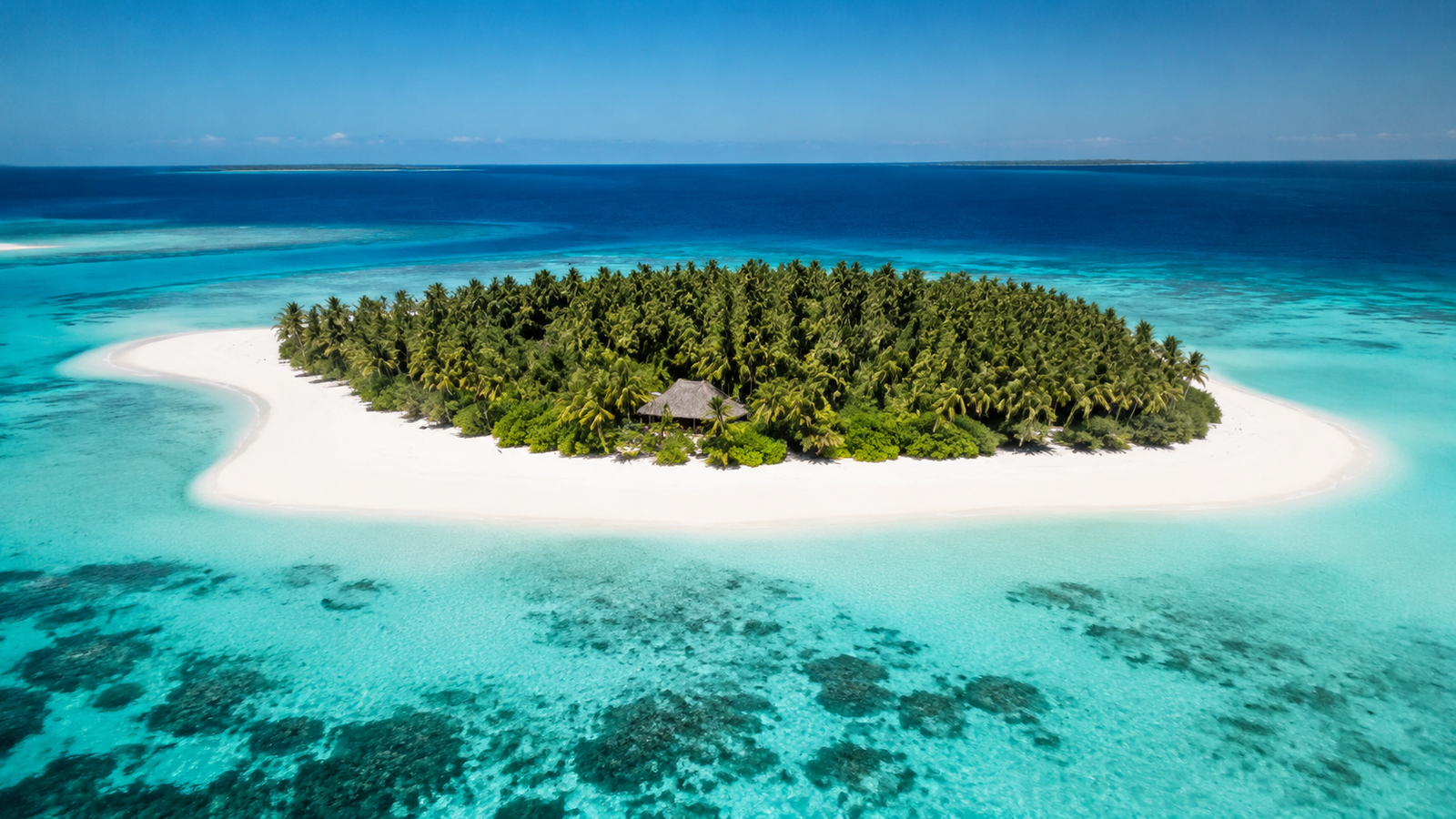
9. Chumbe Island: conservation you can experience
Chumbe Island lies approximately eight kilometres west of Unguja and presents a very different form of exclusivity. Rather than focusing on conventional luxury, it combines a protected coral-reef sanctuary, forest reserve, environmental education and low-impact accommodation.
Guests can explore the island’s marine and terrestrial environments through guided activities. Its eco-bungalows use systems designed to reduce environmental impact, and income from tourism supports conservation and education programmes.
Chumbe is ideal for travellers who want their stay to contribute directly to the protection of the place they are visiting. The experience is intentionally nature-centred, with simpler comforts and a strong ecological philosophy. Visitor capacity is limited, so both day visits and overnight stays should be arranged in advance. Access can depend on weather, tides and operational schedules.
Why visit Chumbe Island:
- It provides a practical model of conservation-funded tourism.
- Its protected reef supports guided snorkelling experiences.
- It combines marine life with forest walks and environmental learning.
- Limited visitor numbers create an intimate atmosphere.
- It appeals to families as well as environmentally conscious couples.
Best for: Conservation-minded travellers, families, snorkellers and guests who value purpose over conventional resort excess. Consider another island if: You require air-conditioning, nightlife or a highly polished full-service resort.
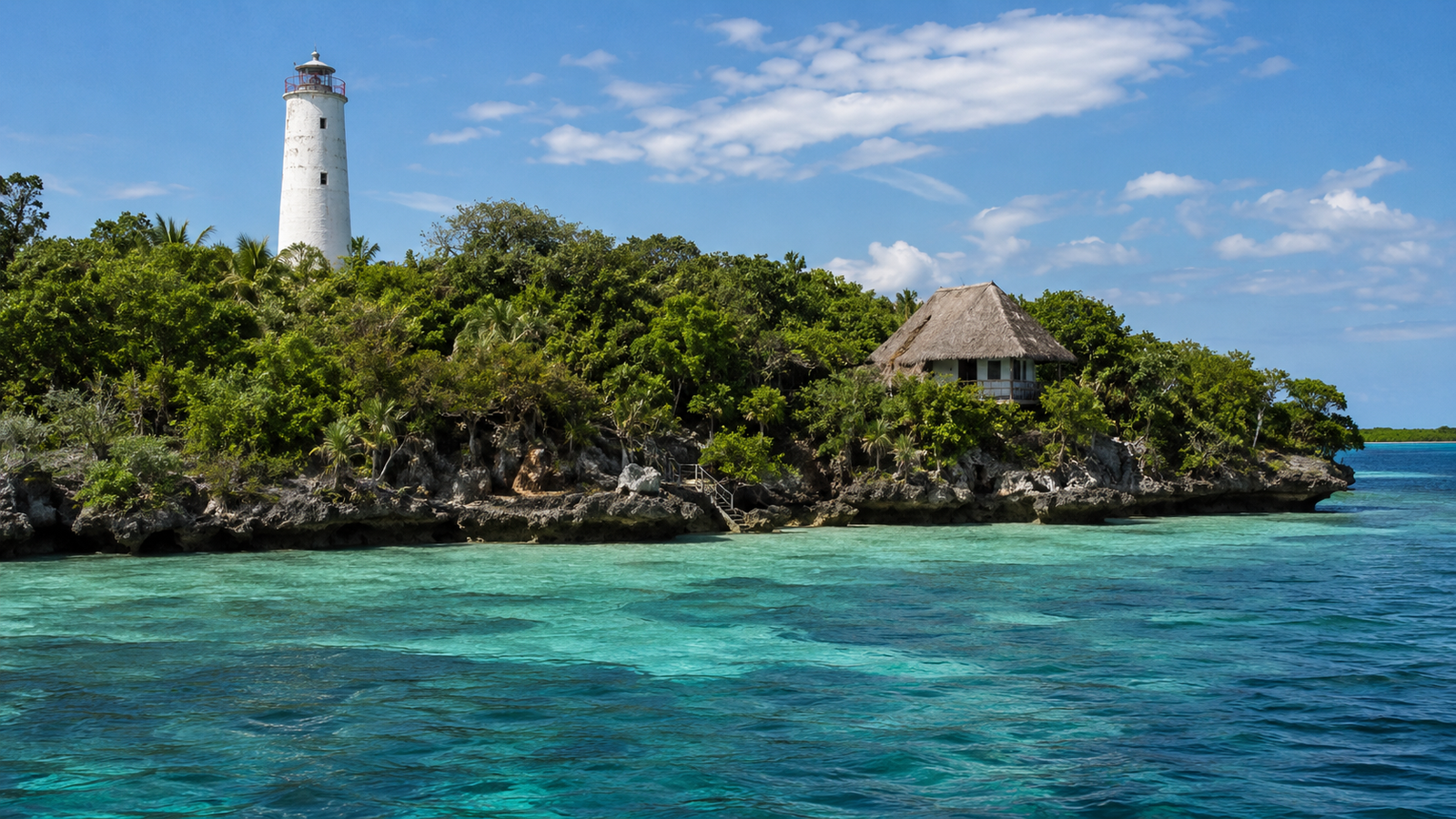
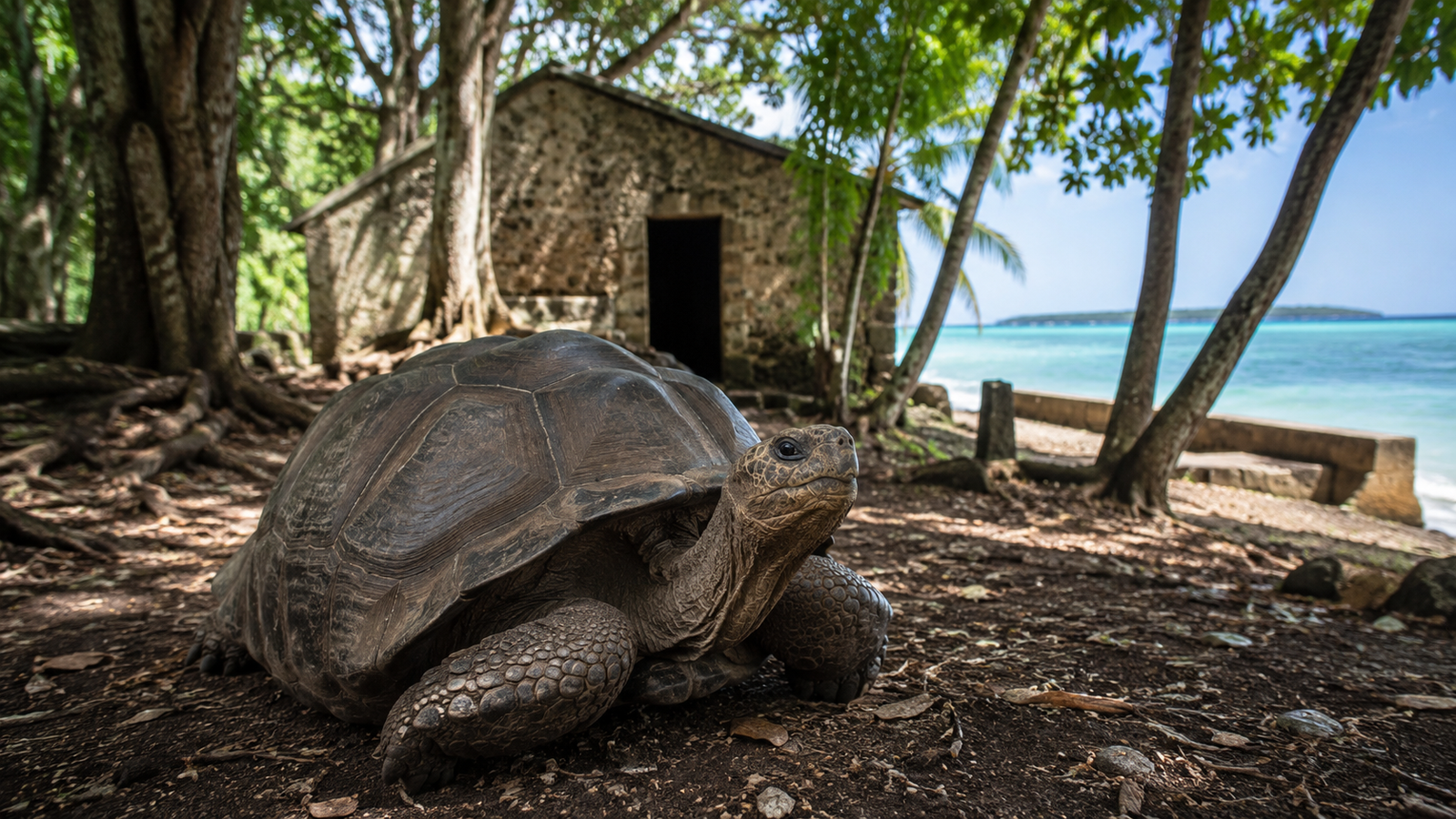
10. Changuu Island: history and giant tortoises near Stone Town
Changuu Island, widely known as Prison Island, sits just off Stone Town and is one of Zanzibar’s most popular short excursions. Although buildings were constructed for prison-related purposes, the island later became associated with quarantine use. Today, its best-known residents are Aldabra giant tortoises, some of which have lived for well over a century.
The island can generally be reached in about 25 minutes by local boat from Stone Town, depending on sea conditions. Changuu works best as part of a thoughtfully paced Stone Town programme. Combining it with a guided heritage walk creates a fuller story: the urban history of Zanzibar on the mainland side and a shorter wildlife and historical excursion offshore.
Travellers should engage with the tortoises responsibly, follow guidance from the sanctuary staff and avoid treating the animals merely as photography props.
Why visit Changuu Island:
- It is easy to combine with a Stone Town stay.
- The giant tortoises make it attractive for families.
- It blends a small amount of history, wildlife and coastal scenery.
- It can be experienced without sacrificing an entire travel day.
Best for: Families, first-time Zanzibar visitors and travellers with a free half day.
Consider another island if: You want an uncrowded or deeply immersive island experience.
Which Tanzanian island should you choose?
- Choose Zanzibar if you want the broadest and most convenient combination of beaches, culture, dining and accommodation.
- Choose Mafia Island if diving, whale sharks and a quiet marine environment are central to your journey.
- Choose Pemba Island if privacy, slow travel and a less-developed coastline matter more than entertainment.
- Choose Kilwa Kisiwani if your interest is Swahili history, archaeology and the story of Indian Ocean trade.
- Choose Rubondo Island if you want wilderness, birding and wildlife rather than a conventional beach escape.
- Choose Mnemba for highly exclusive romance and private-island luxury.
- Choose Chumbe for conservation, ecological learning and low-impact travel.
- Choose Bongoyo or Mbudya for an uncomplicated day trip from Dar es Salaam.
- Choose Changuu for a short and accessible excursion from Stone Town.
A practical Tanzania island itinerary
Travellers do not need to visit every island in one trip. The strongest itineraries combine complementary experiences.
Classic safari and Zanzibar: 10–14 days
- Serengeti and Ngorongoro safari
- One or two nights in Stone Town
- Four or five nights on Zanzibar’s coast
- Optional Changuu or Chumbe excursion
Southern safari and Mafia Island: 9–12 days
- Nyerere National Park
- Optional stop in Dar es Salaam
- Four or five nights on Mafia Island
- Diving, snorkelling and seasonal marine-life experiences
Culture and coast: 8–12 days
- Dar es Salaam
- Kilwa Masoko and Kilwa Kisiwani
- Mafia Island
- Optional extension to Zanzibar
Private romantic journey: 10–14 days
- Private northern Tanzania safari
- Stone Town heritage stay
- Mnemba Island retreat
Tanzania beyond the familiar: 10–14 days
- Lake Victoria or western Tanzania
- Rubondo Island
- Serengeti extension
- Optional flight onward to Zanzibar
When is the best time to visit Tanzania’s islands?
For many coastal destinations, June through October generally brings drier weather and comfortable conditions. January and February can also be attractive for warm beach stays.
The heavier coastal rains commonly occur around March to May, while November may bring shorter rains. These patterns are not absolute, and conditions vary between Zanzibar, Pemba, Mafia, Dar es Salaam and Lake Victoria.
Diving visibility, wind, tides and marine-life seasons do not always align perfectly with the driest months. Travellers planning their journey around whale sharks, diving or sailing should therefore assess the specific island rather than rely on one national “best time.”
Boat transfers, domestic flights, park fees and marine-reserve charges can change. All operational details should be reconfirmed when booking.
Frequently asked questions
What is the best island to visit in Tanzania for the first time?
Zanzibar is the best all-round choice for most first-time visitors because it combines beaches, Stone Town, spice farms, water activities and the country’s widest range of island accommodation.
Which Tanzanian island is best for diving?
Mafia and Pemba are among the strongest choices for dedicated diving holidays. Mafia offers protected marine environments and varied sites around Chole Bay, while Pemba is known for deeper channels and more demanding sites. The right choice depends on experience, season and sea conditions.
Is Mafia Island part of Zanzibar?
No. Mafia Island is part of mainland Tanzania administratively and lies south of Dar es Salaam. Zanzibar is a semi-autonomous archipelago that includes Unguja and Pemba among its principal islands.
Can visitors land on Mnemba Island?
Mnemba is privately operated, and the island itself is reserved for overnight lodge guests. Excursions from Zanzibar normally visit the surrounding marine area rather than granting access to the private beach.
Which islands can be visited from Dar es Salaam in one day?
Bongoyo and Mbudya are the most practical island day trips from Dar es Salaam. Both offer beaches and simple marine experiences, although departure arrangements depend on weather and local operations.
Is Kilwa Kisiwani suitable for a beach holiday?
Kilwa Kisiwani is best visited for its archaeology and Swahili history. Although the wider Kilwa coast has attractive scenery, the island’s primary appeal is its UNESCO-listed ruins rather than conventional resort life.
Which Tanzanian island is best for a honeymoon?
Mnemba is ideal for couples seeking exceptional privacy and exclusive luxury. Zanzibar offers more variety, while Pemba and Mafia are excellent for honeymooners who prefer quieter surroundings and marine activities.
Which island is best for sustainable tourism?
Chumbe Island is one of Tanzania’s clearest examples of tourism directly supporting conservation and environmental education. Mafia and Rubondo can also suit conservation-minded travellers when experiences are booked through responsible operators.
Plan your Tanzania island journey with Zamia Africa
Tanzania’s islands should not be treated as interchangeable beach extensions. Each one offers a different rhythm, level of comfort and reason to travel. Zamia Africa designs private journeys that connect Tanzania’s islands with its safari landscapes, cultural centres and historic coast. Whether you want a Zanzibar honeymoon, a Mafia diving escape, the heritage of Kilwa Kisiwani or an exclusive safari followed by Mnemba, the route can be built around your interests, preferred pace and level of privacy.
Explore Zamia Africa experiences or speak with the Zamia Africa Travel Desk to design a personalised Tanzania island itinerary.